one thousand and one nights
*
one thousand and one nights *
a ucla mfa thesis
Persia has long been an object of fascination but has also been often subjected to objectification.
To portray Persia with a fairy tale flair while remaining faithful to the original culture and art was a worthy challenge to take upon.
During my final year of grad school, I focused on the flavours I want to hone and captitalise upon what I perceive can be my strengths in the long run.
One Thousand and One Nights provides all the opportunities to explore what I am interested in:
a fairytale with a dark twist,
room for extensive historical research,
chances for sophisticated illustrations.
story overview
Scheherezade and King Shahryar
Tale of the Trader and the Jinn
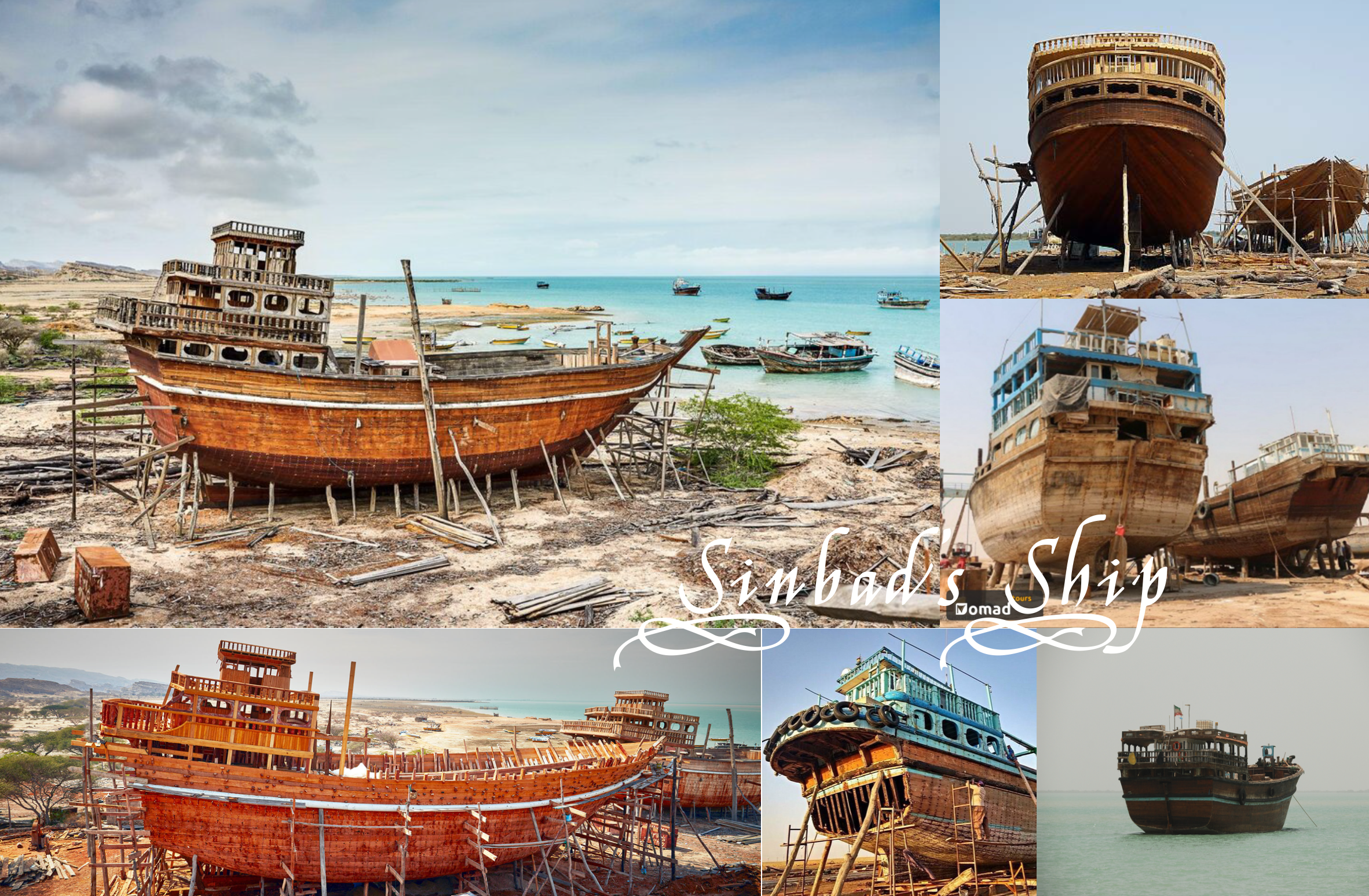
Sinbad the Sailor
City of Brass
Ali Baba and the Forty Theives
firstly,
the tales in the story are:
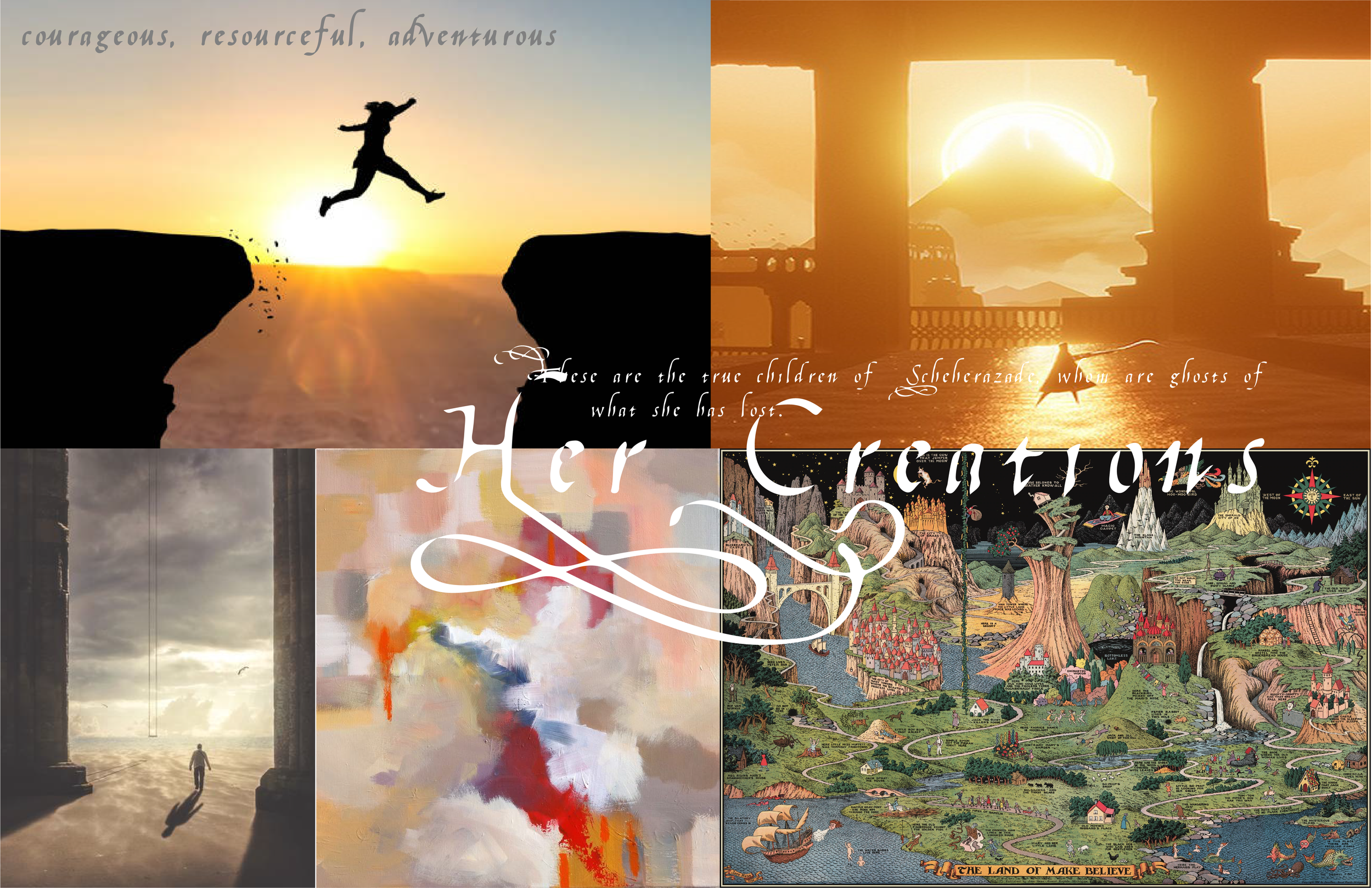
because the stories told over a one thousand one nights are all scheherezade’s creations, I wanted to focus on how she sees the world in which she’s trapped in the palace waiting for the day to be executed by her husband and king and the world in which she escapes to.
I first started with identifying who scheherazade, our narrator is, and then moved on to define the key terms indicating the mood of Scheherezade’s fictional stories that I wanted the story .
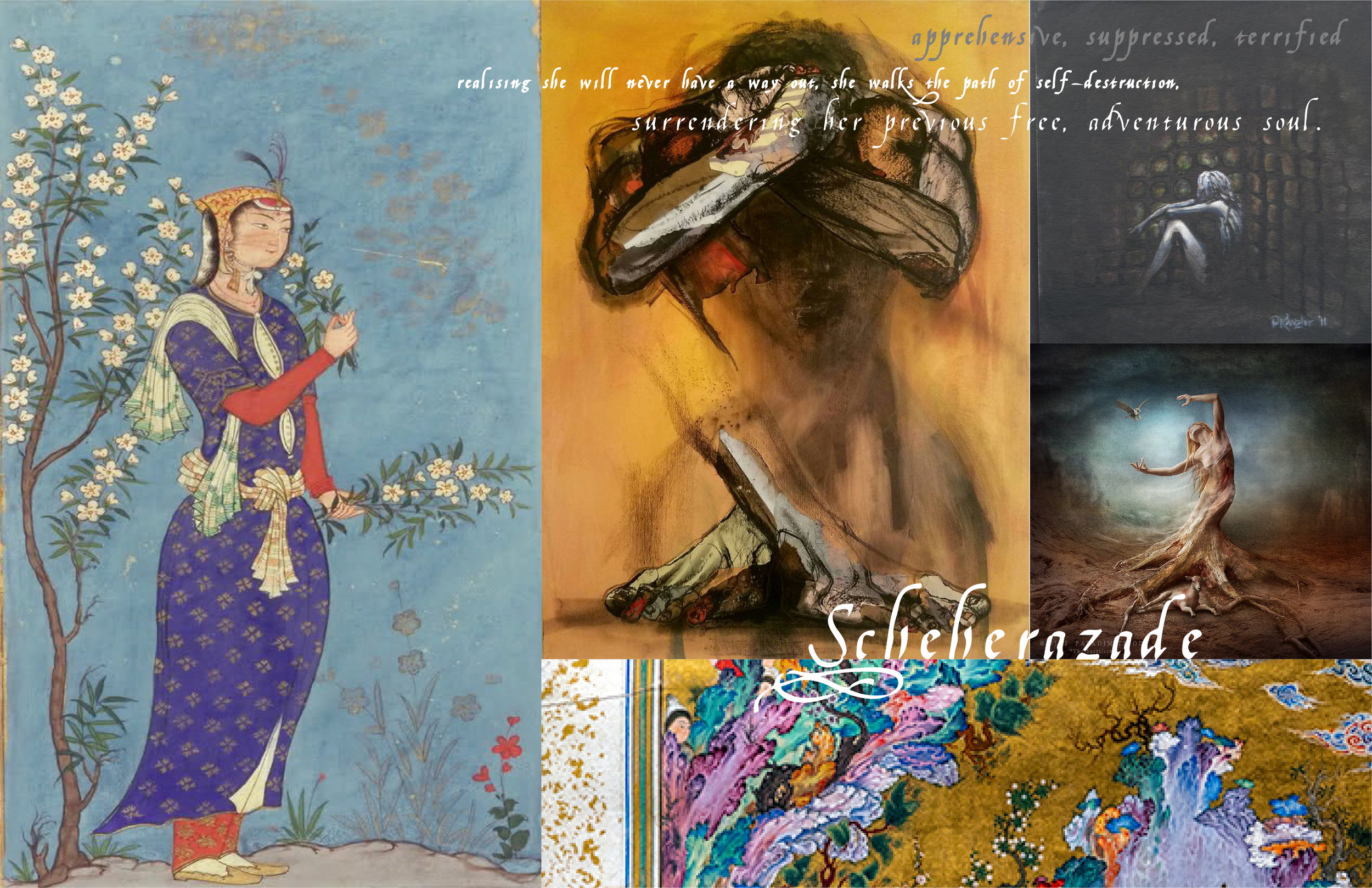
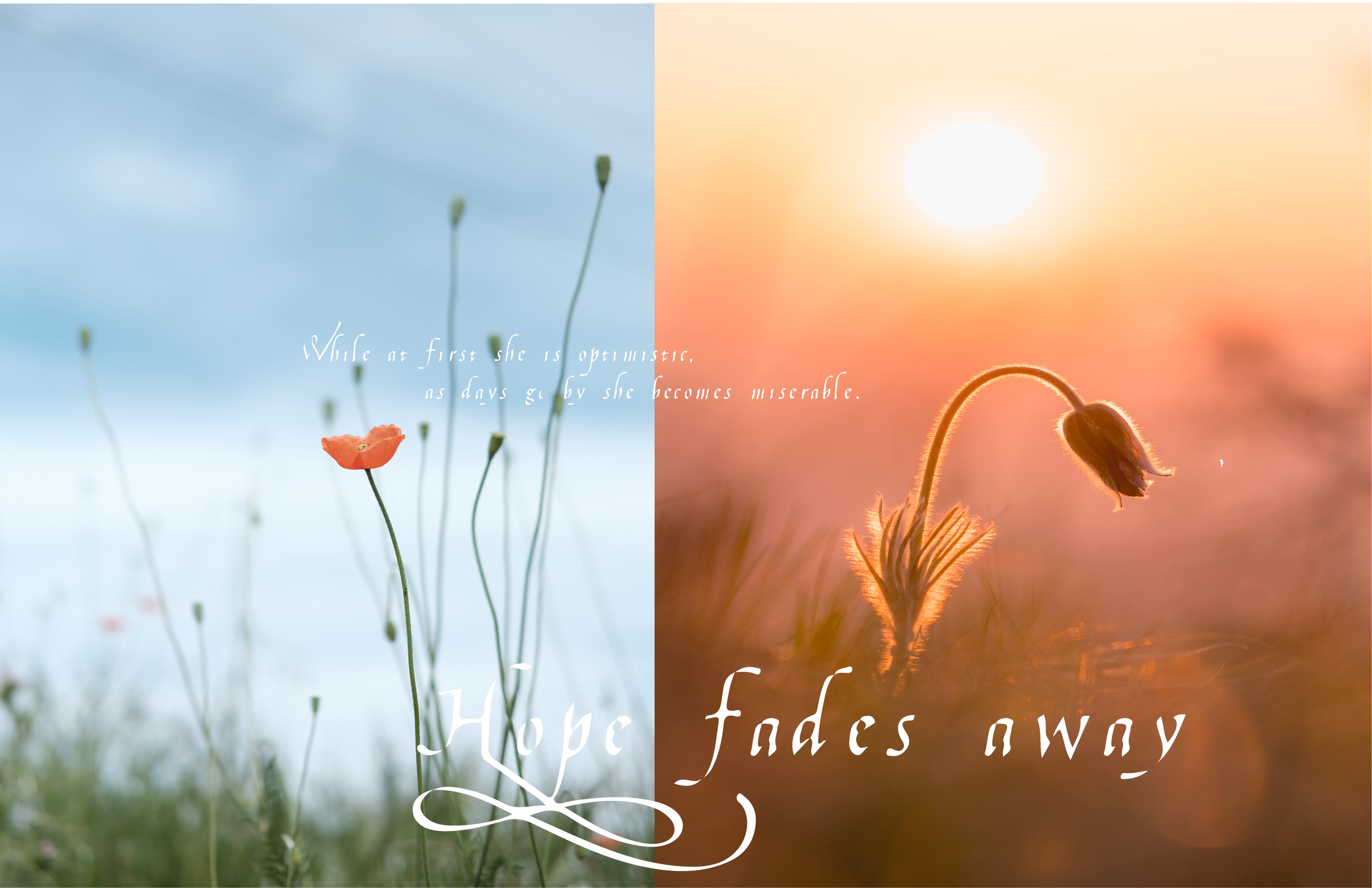
selected keywords: creations, fading hope, escapism
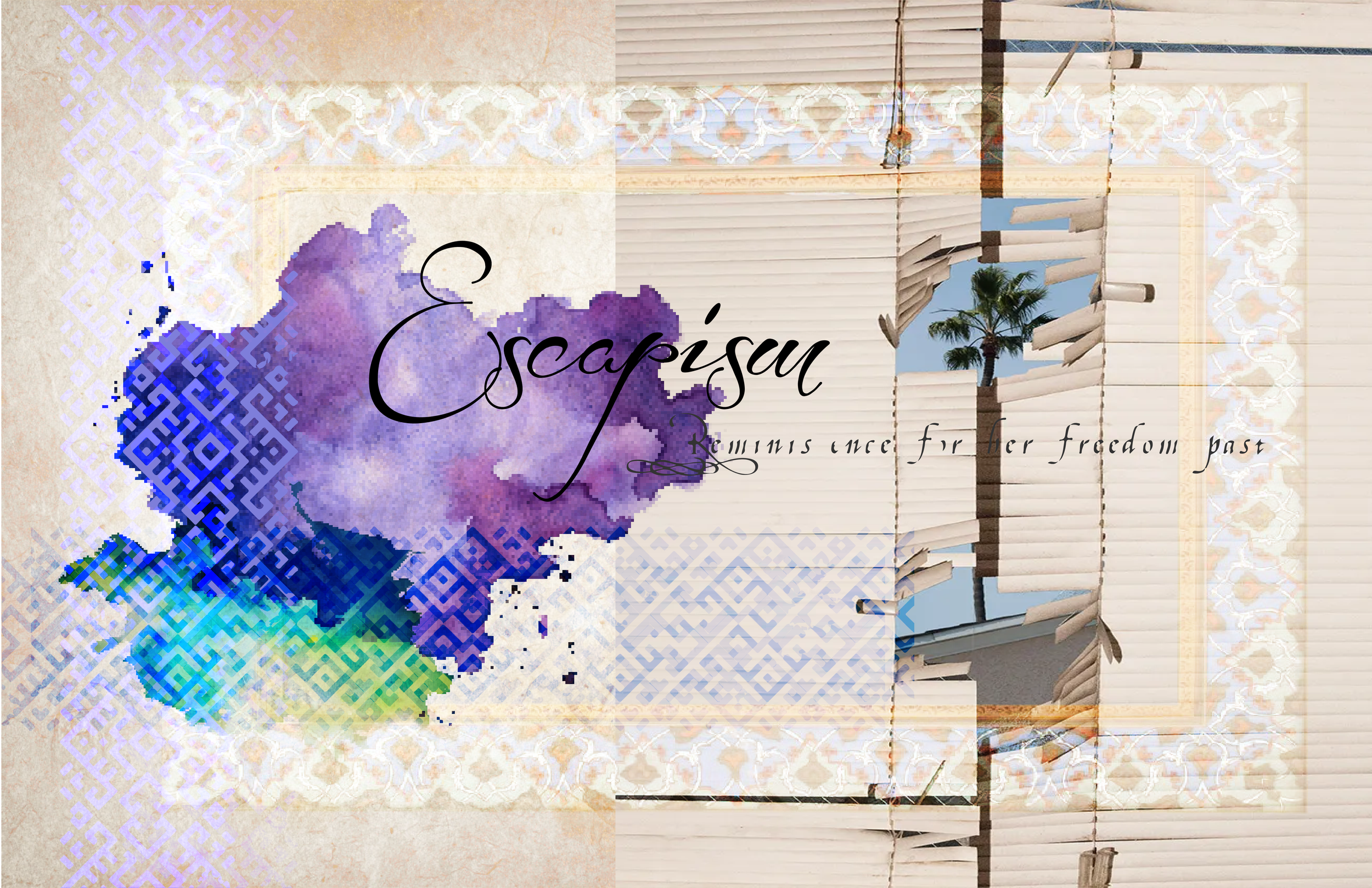
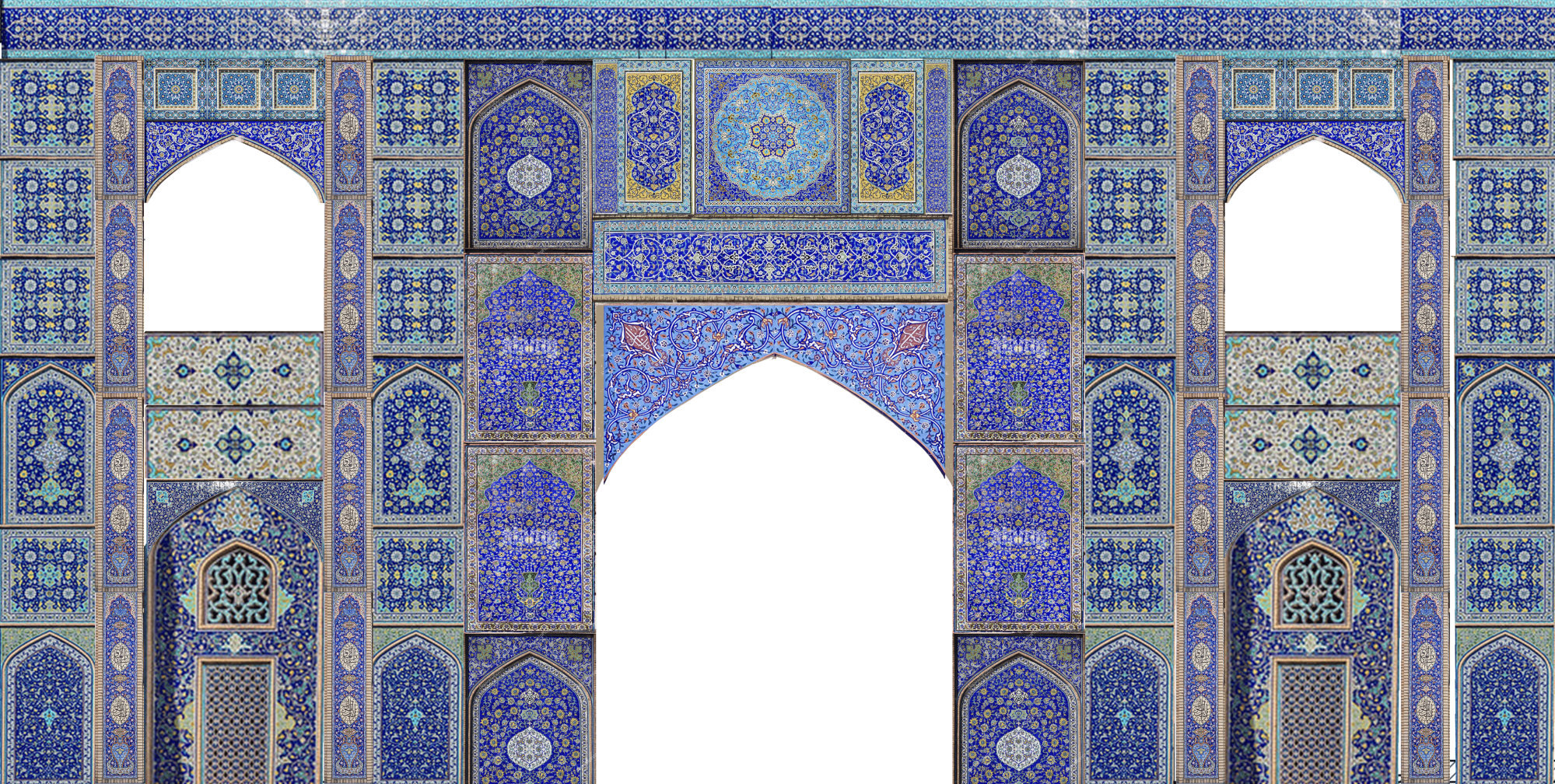
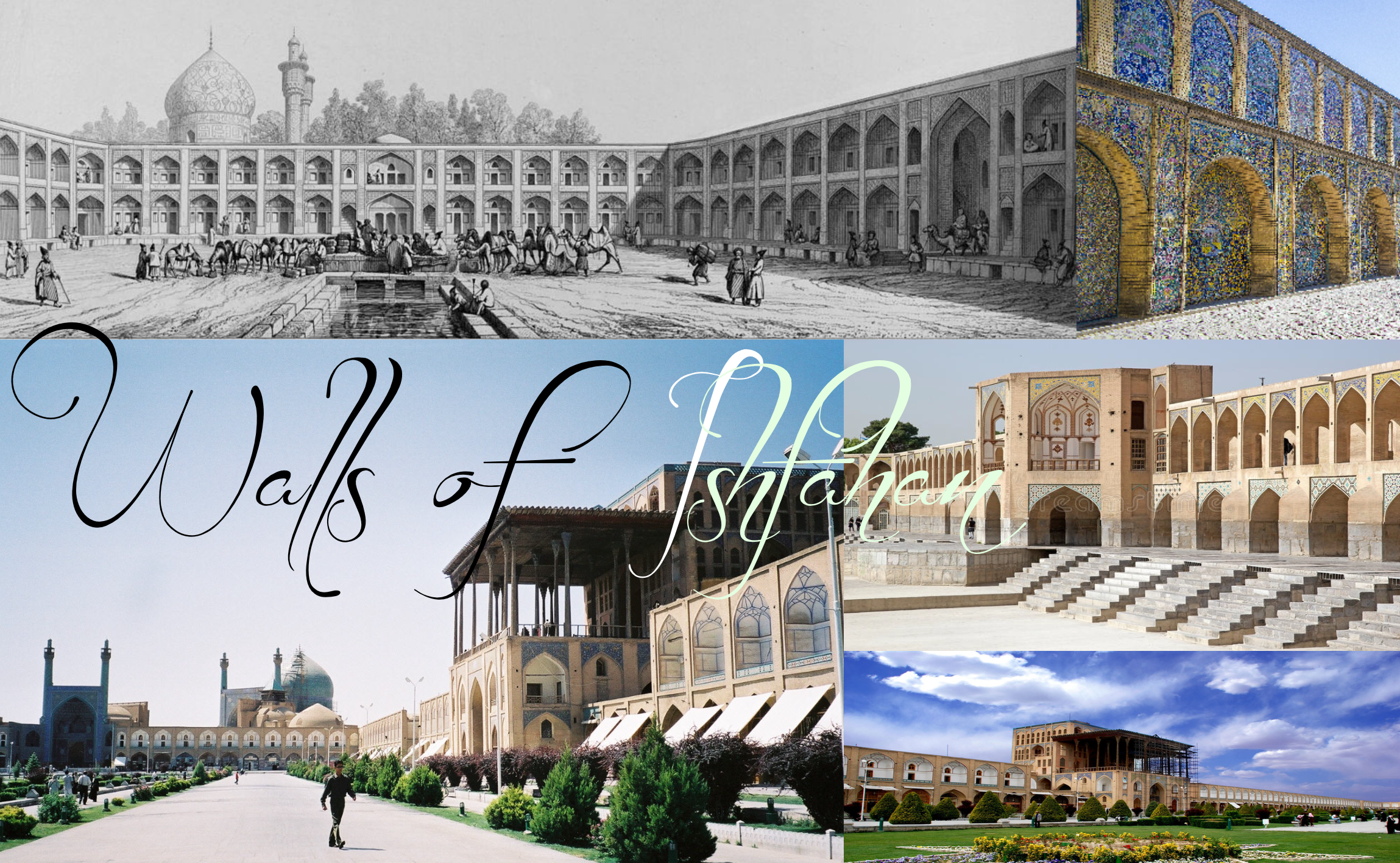
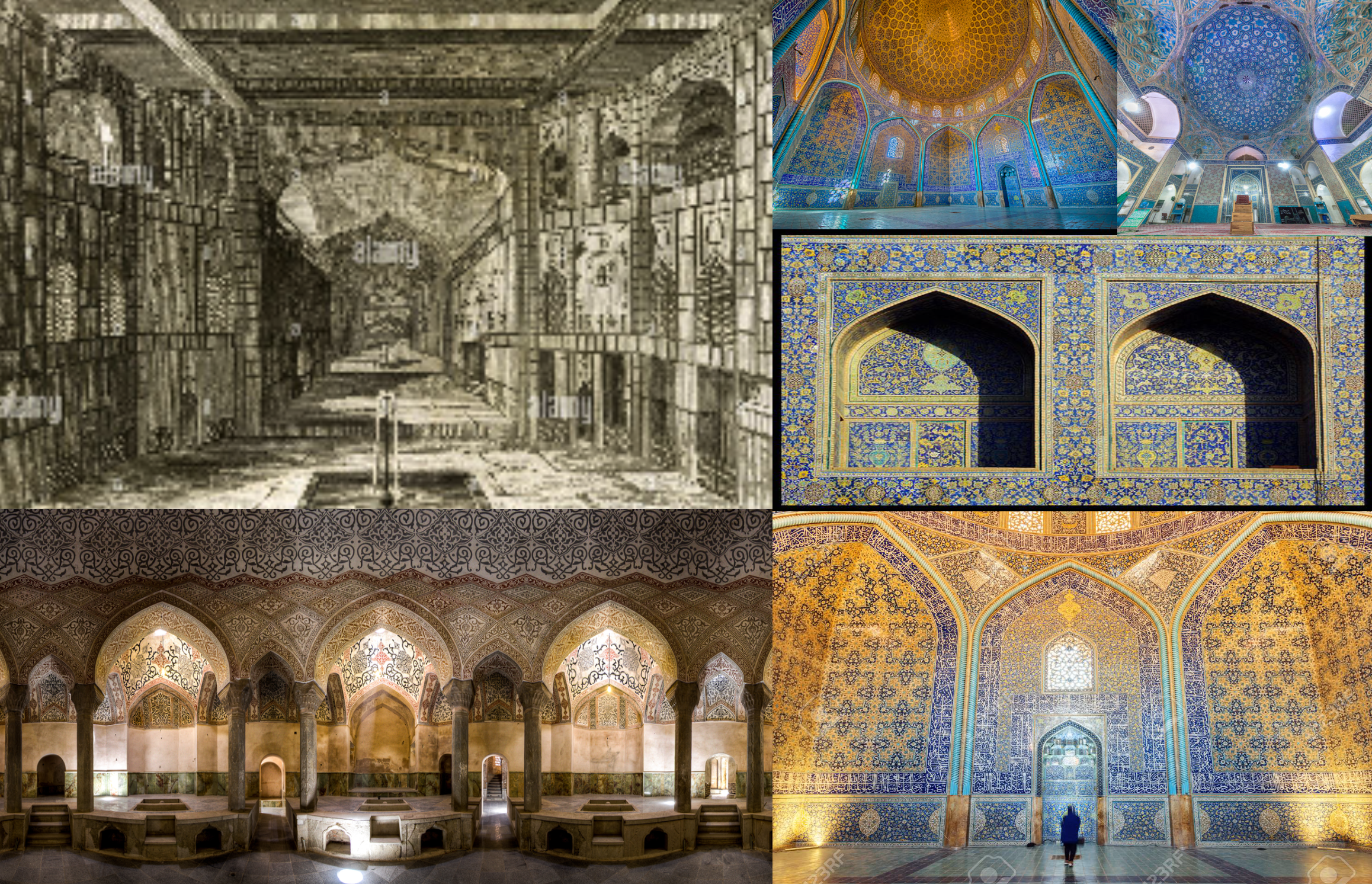
While the original story is set during the Sasanian Empire of Persia, I am setting my version of One Thousand and One Nights during the times of the Safavid Empire. The Safavids are known for the Isfahan style that we commonly associate with Persia today.
historical setting:
Isfahan, Iran
It is also important to note that the Isfahan style was the last style to develop in Iran. Poetically, the fact that the Isfahan style is the last one parallels Scheherazade’s waning growth: flourishing on the outside but dying progress.
research
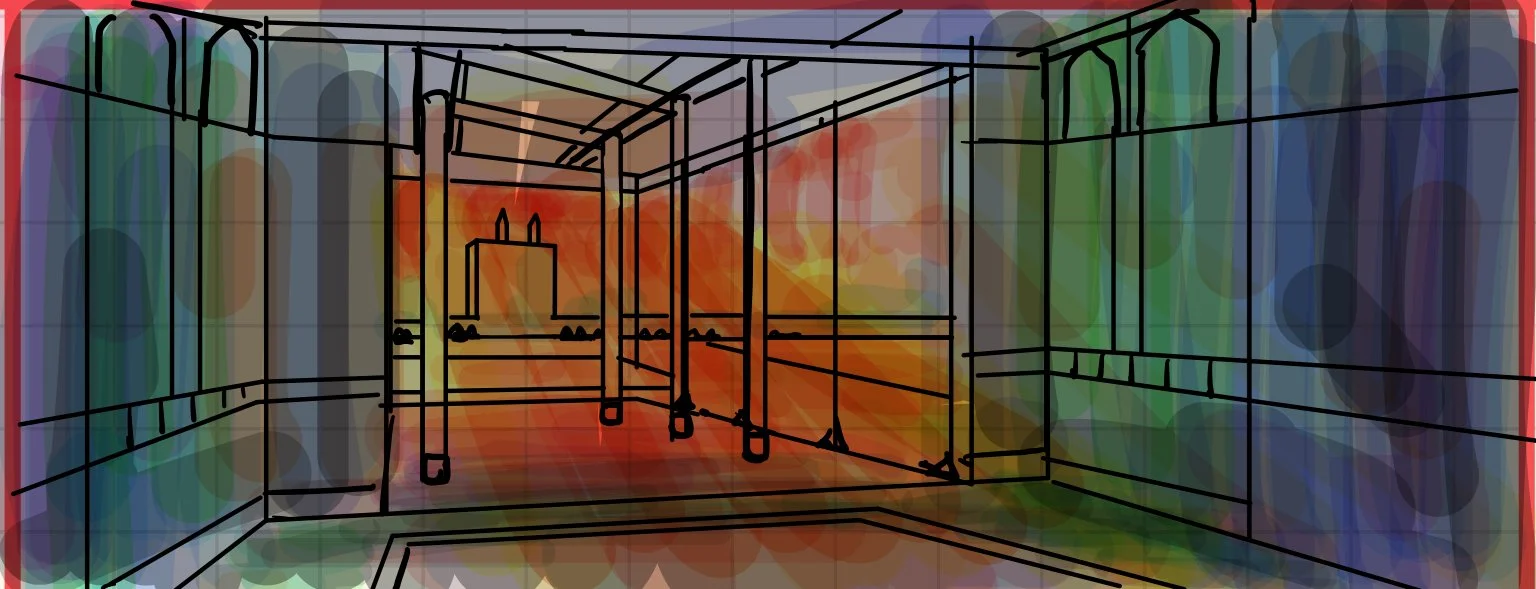
initial thumbnails
what elements call to me? if they do call out to me, what do they represent in terms of the story?
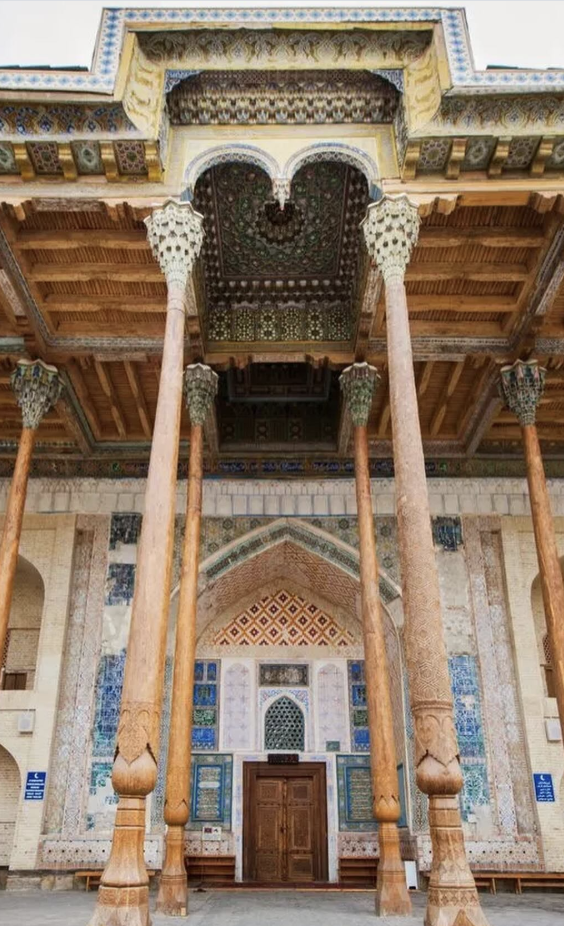
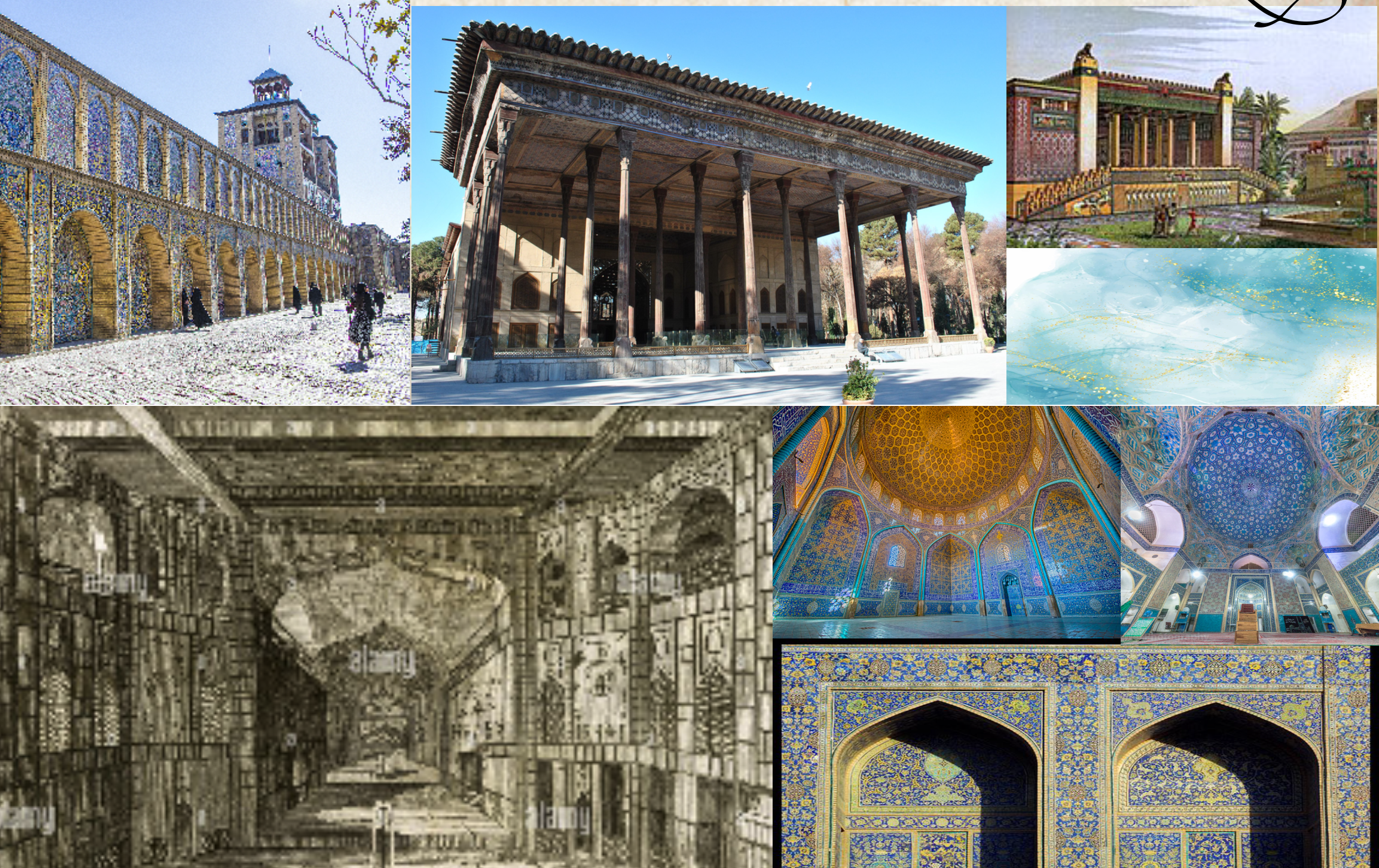
I pull notable elements I see from the references I gather.
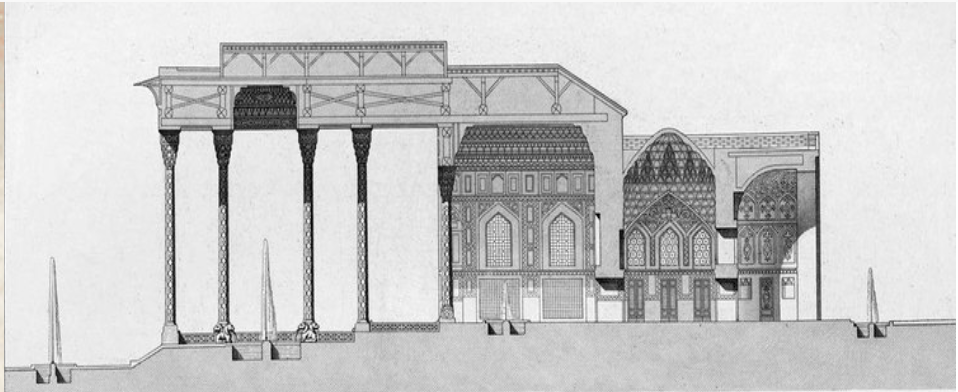
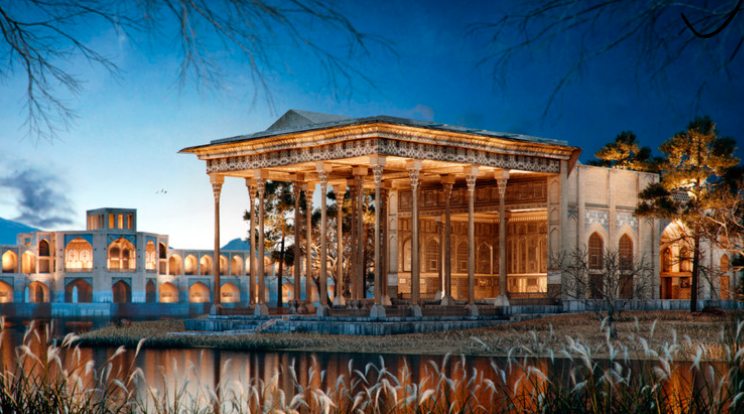
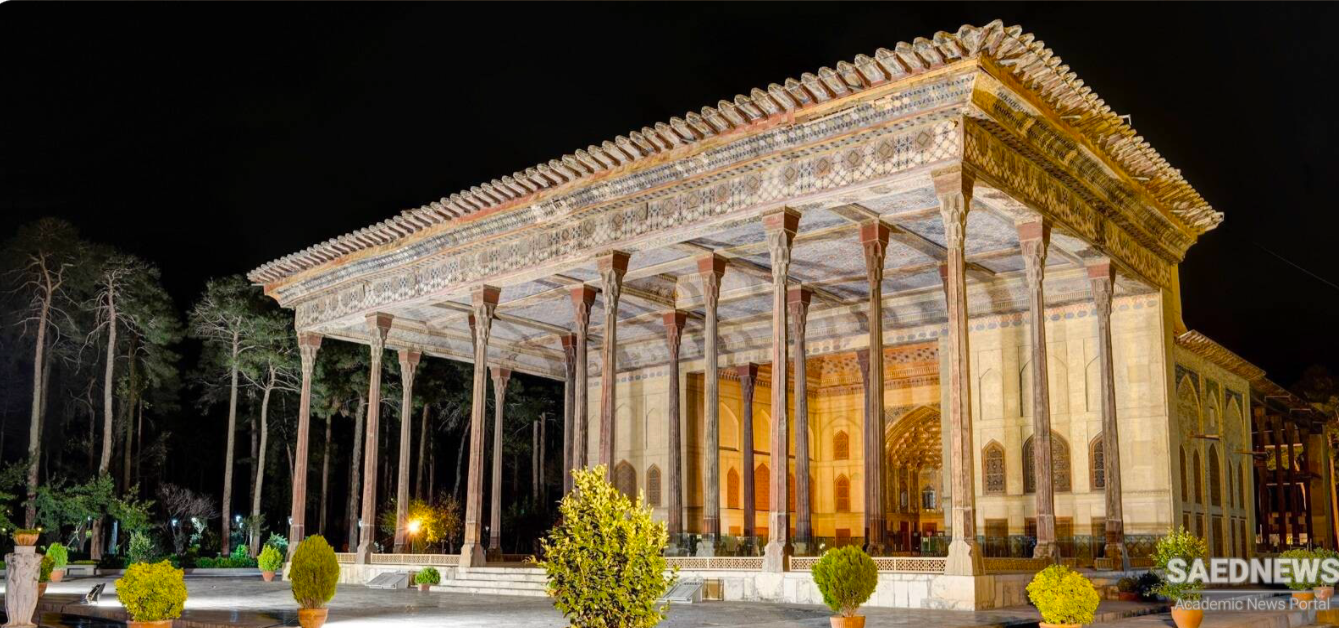
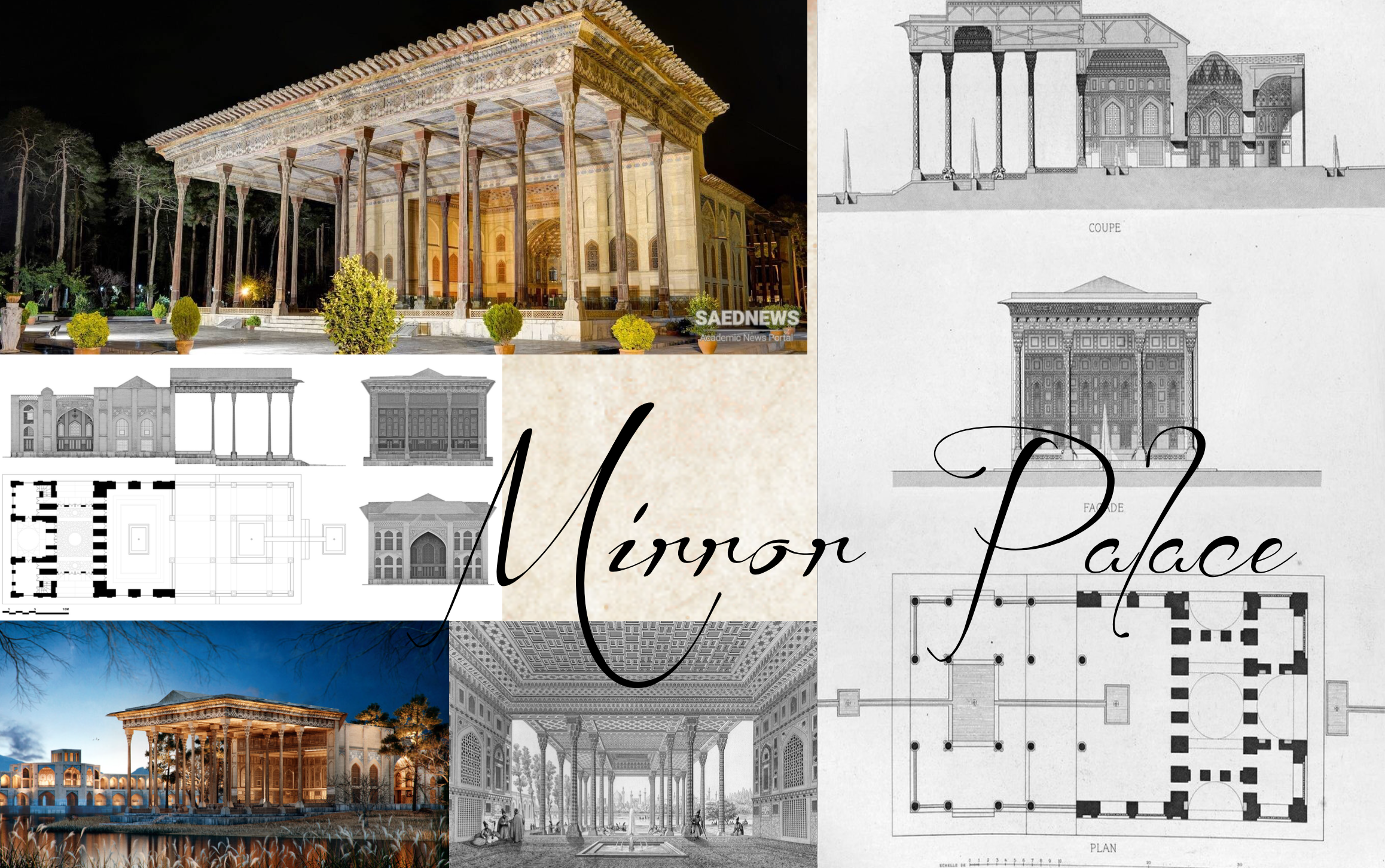
the chehel sotoun palace is one of the last surviving architecture in Isfahan that represents the Safavid culture.
what immediately spoke out to me were the columns that buttressed the entire palace.
immediately, the columns provided a sense of beauty, but beauty that was entrapping; it almost created an illusion of a prison.
which scheherezade was trapped within.
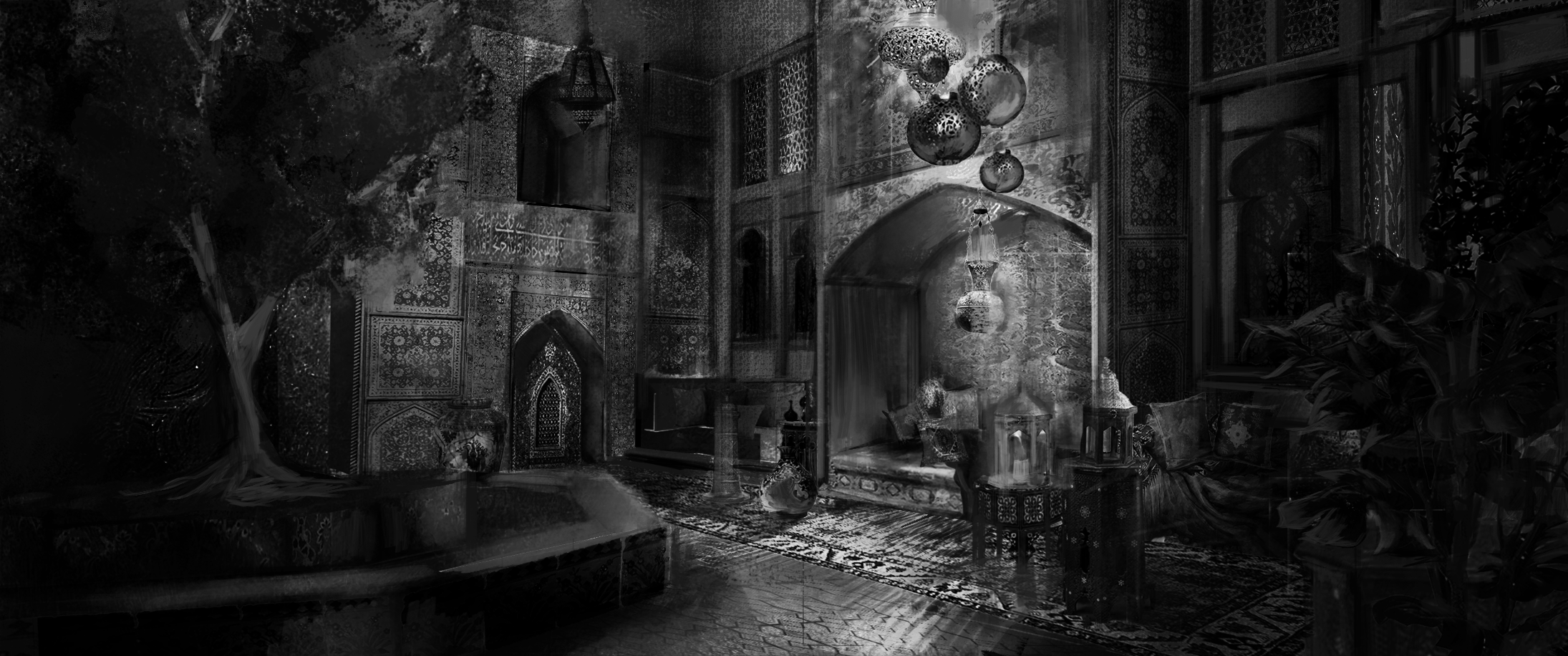
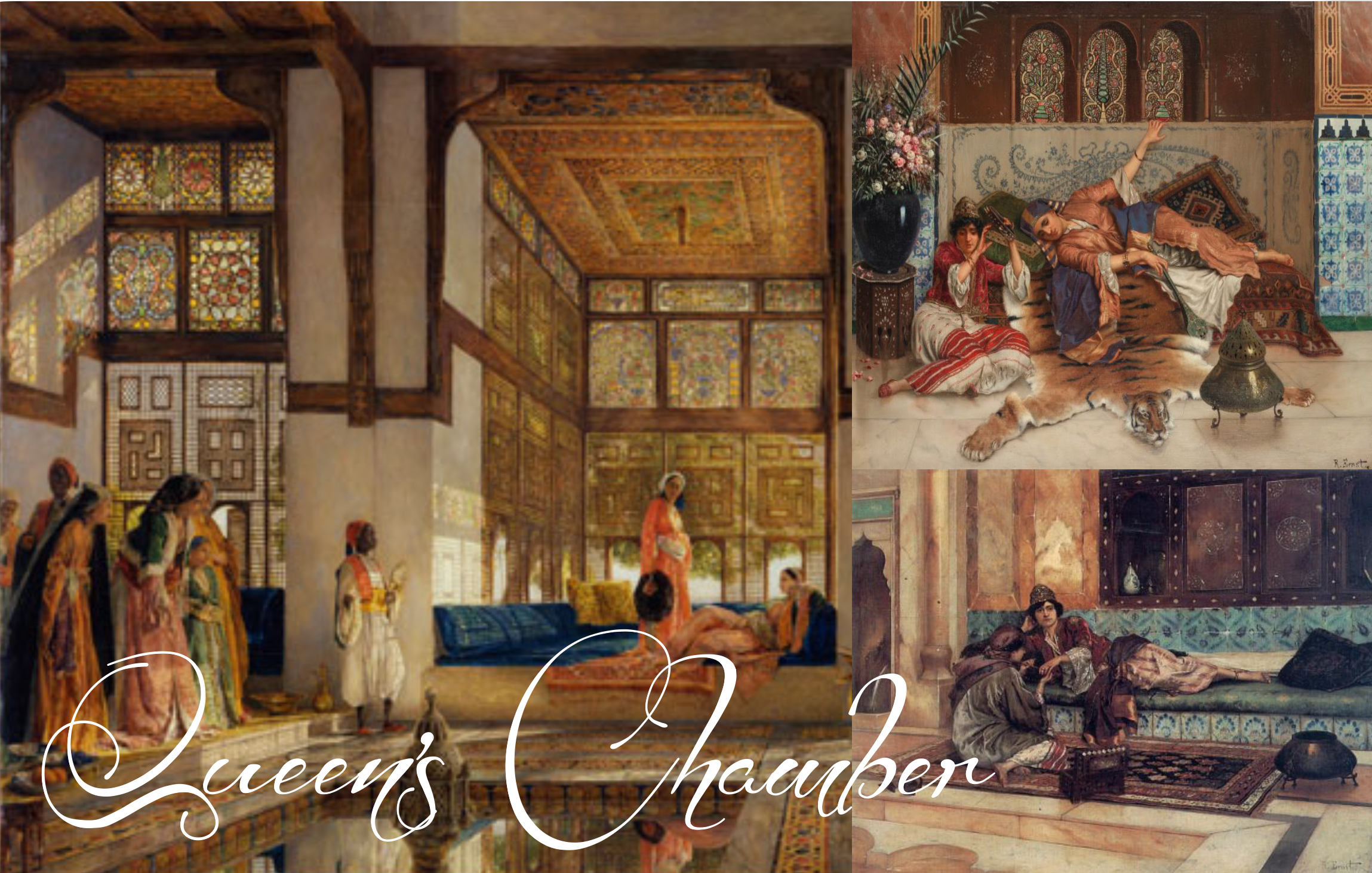
case study: king’s chamber breakdown
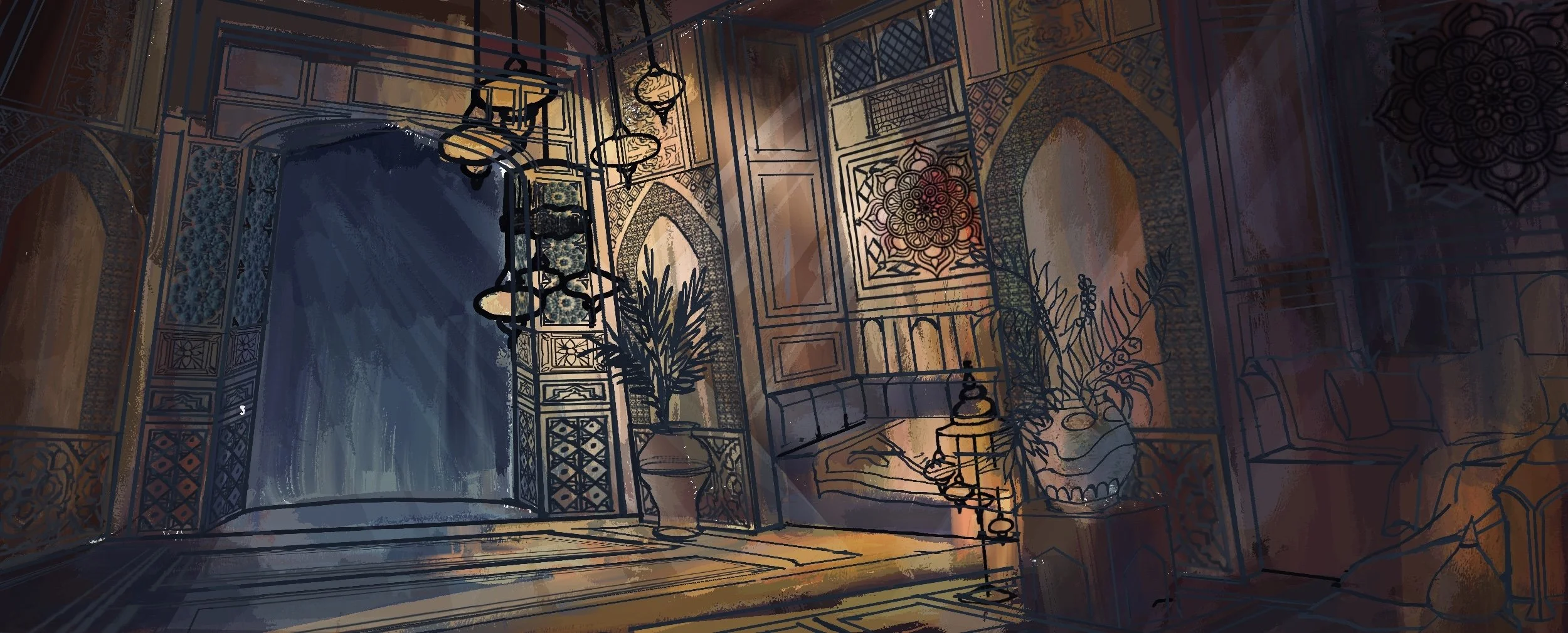
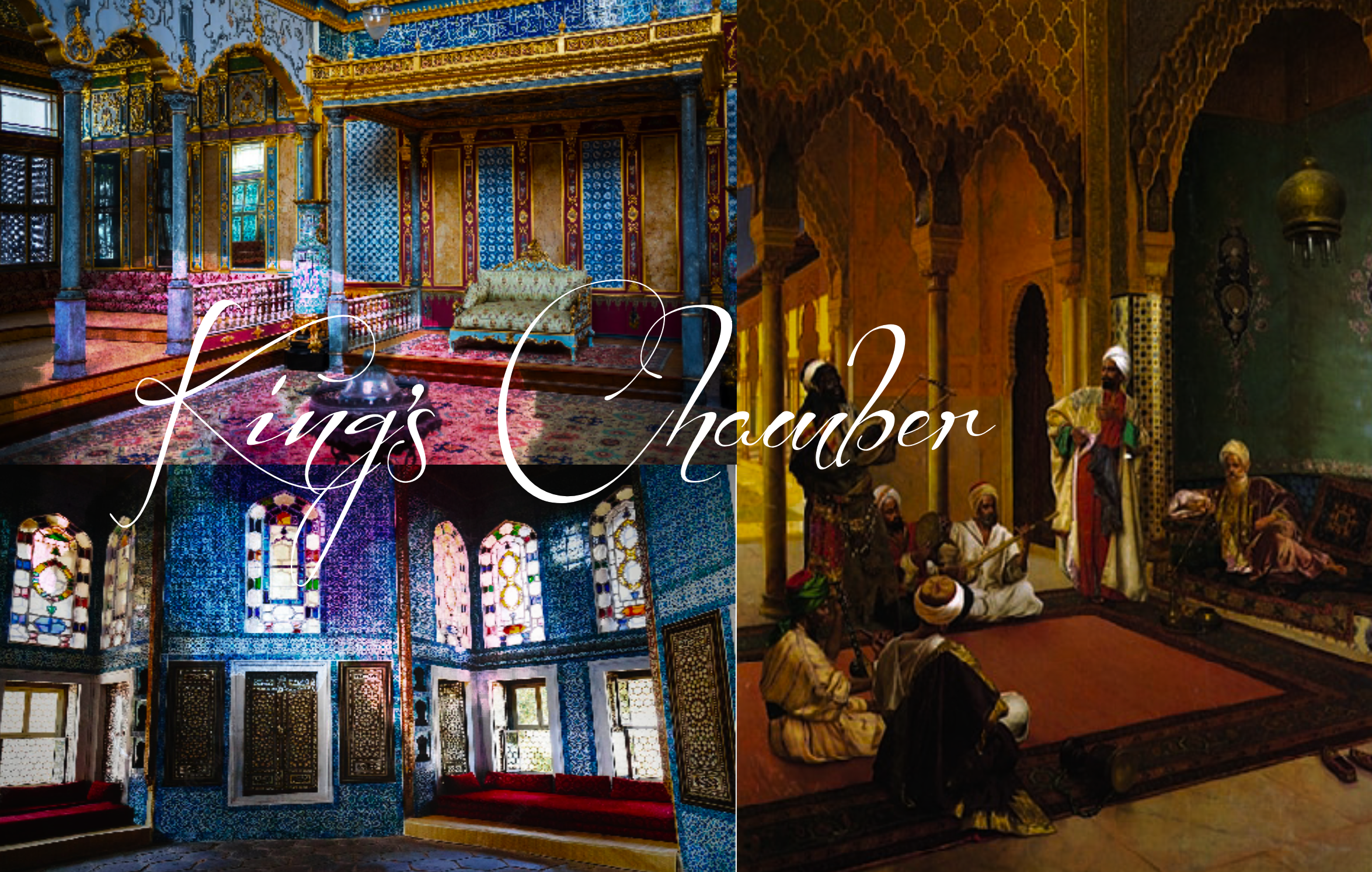
I was focused on the idea that
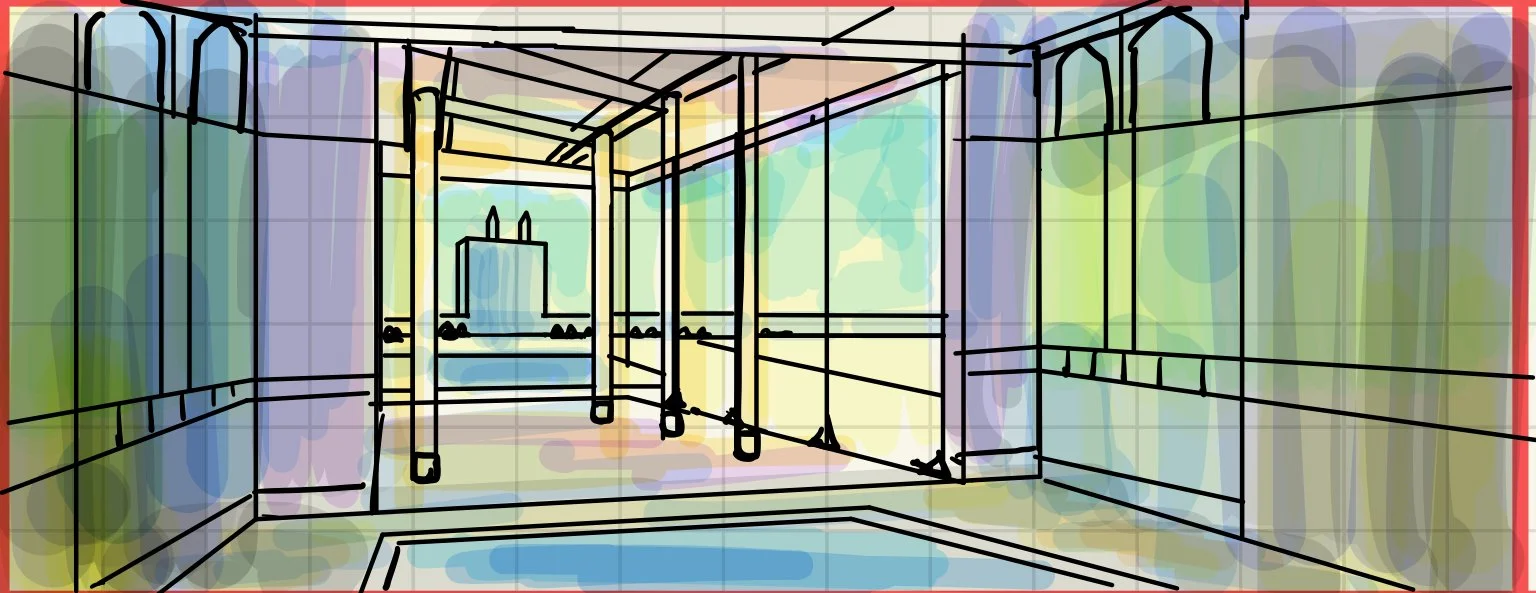
initial sketch
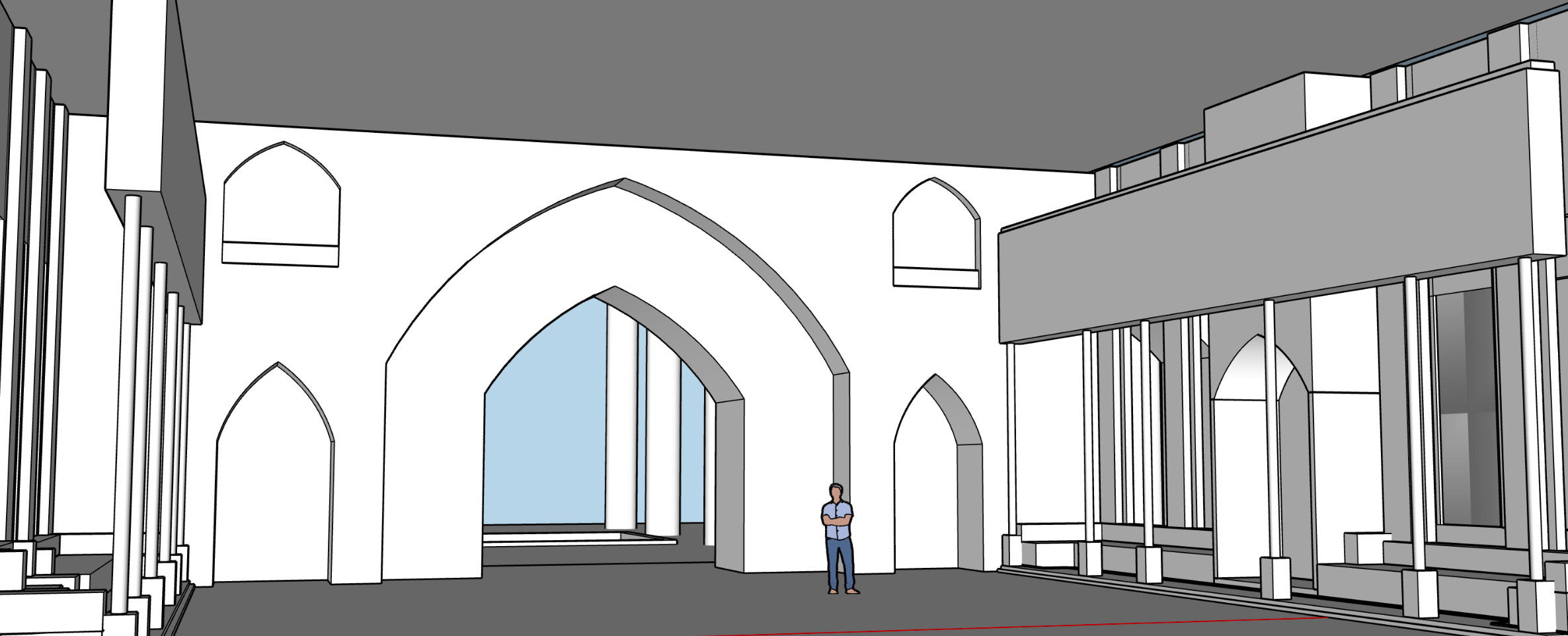
the king’s chamber would have felt like a cold, elaborate prison.
so I took the side columns on the side and created this model sketch.
(but I realised the side columns took away the grandness fit for a king’s private space so I took it out)
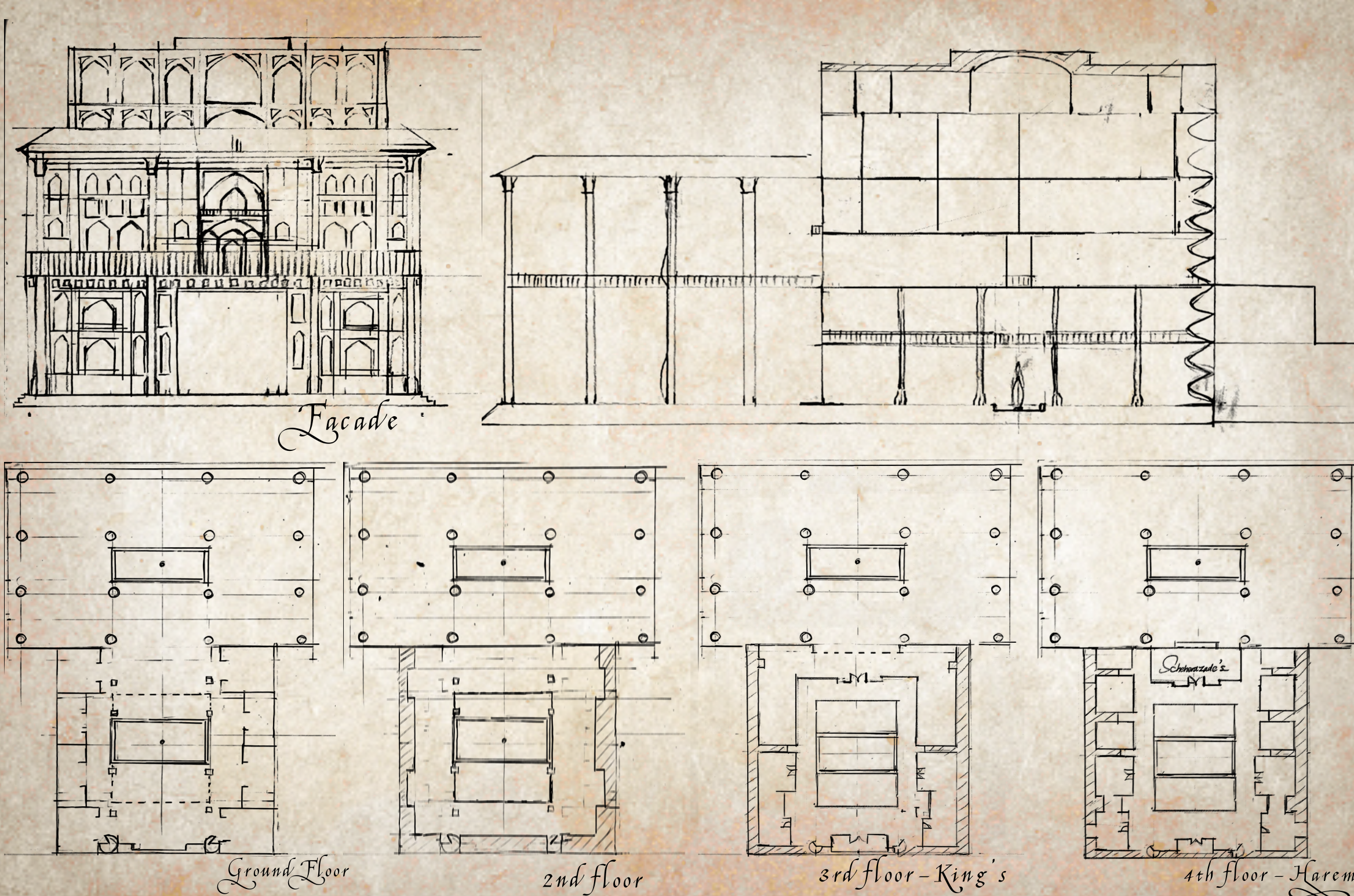
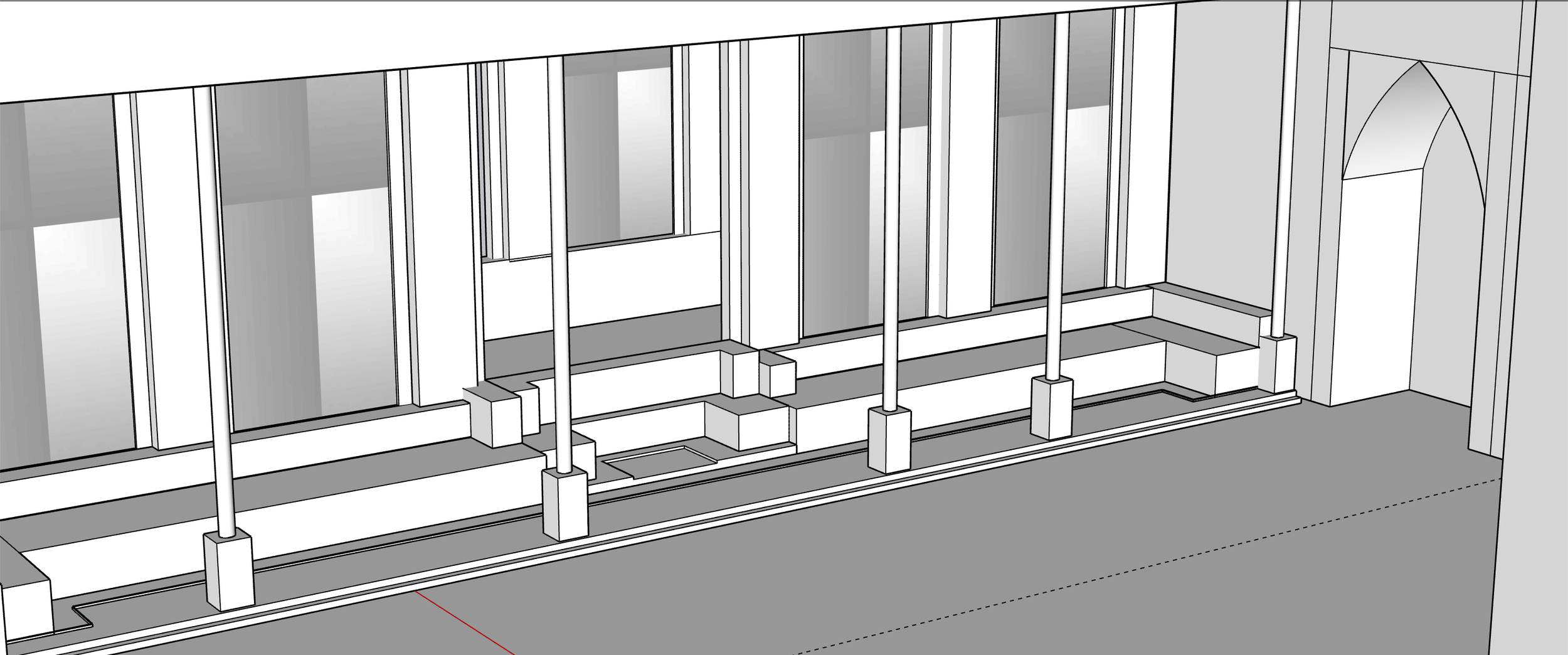
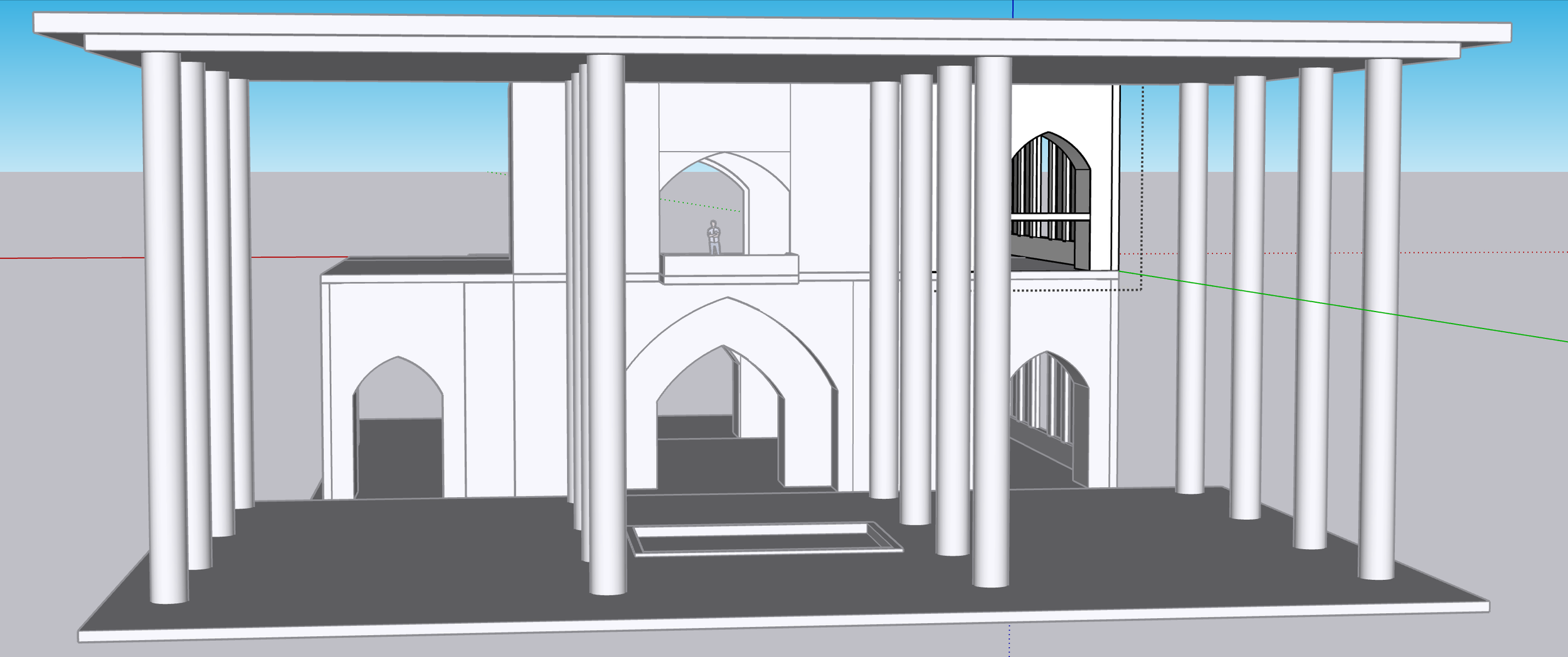
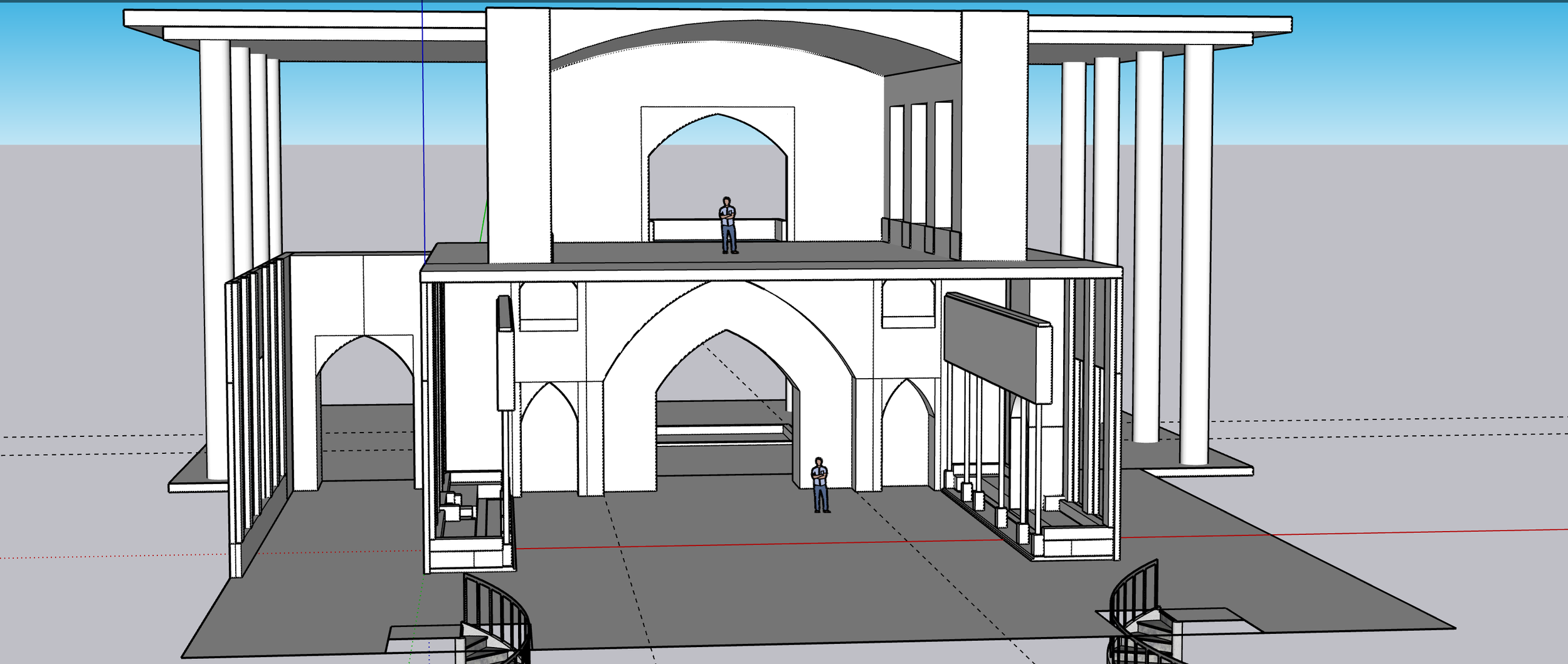
I also tried to figure out the logic of the building, placing the king’s chamber on the 2nd floor just above the main hall.
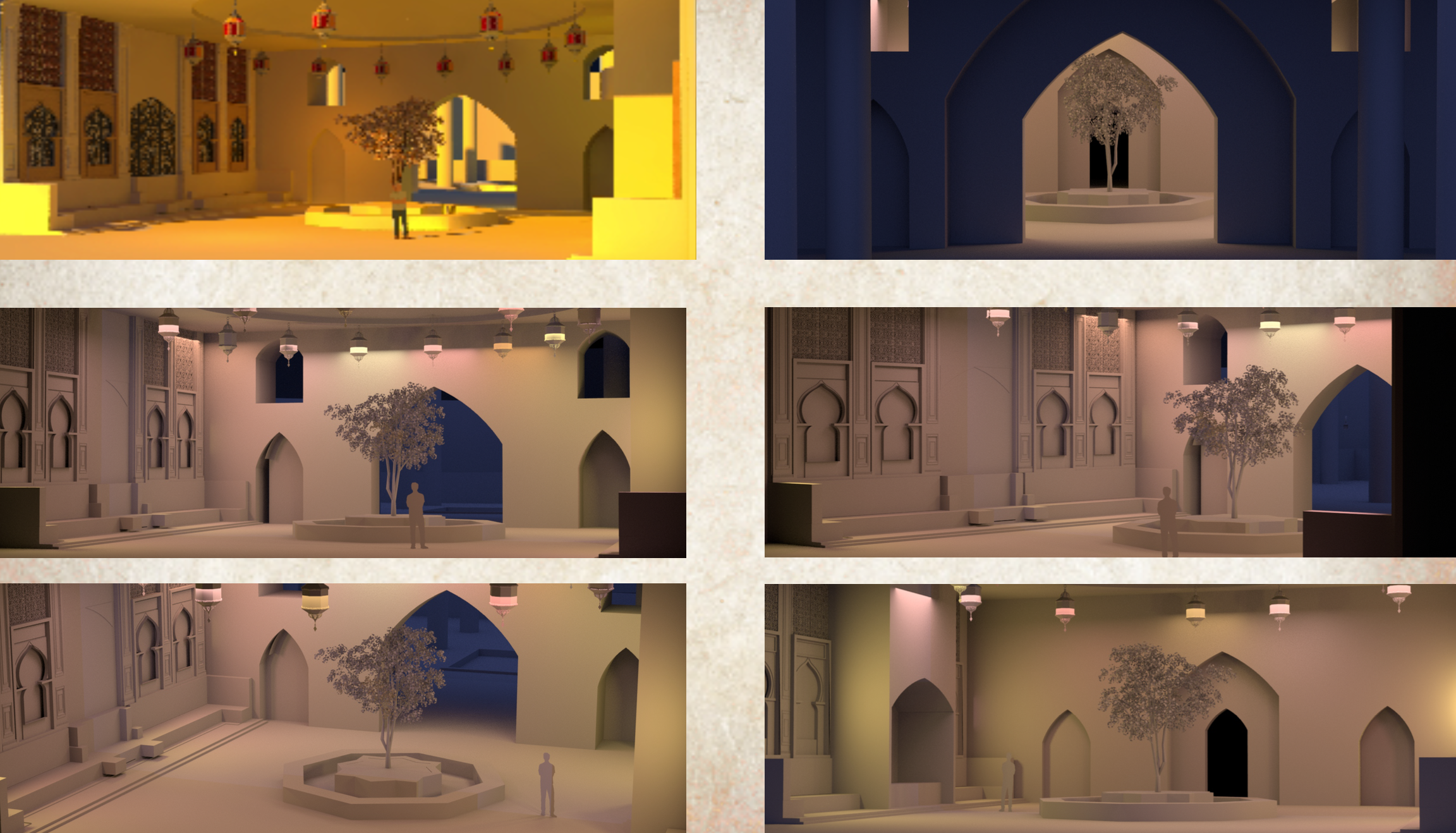
after many model iterations later (SketchUp, Autodesk Maya)
…I created a drafting package for the chamber.
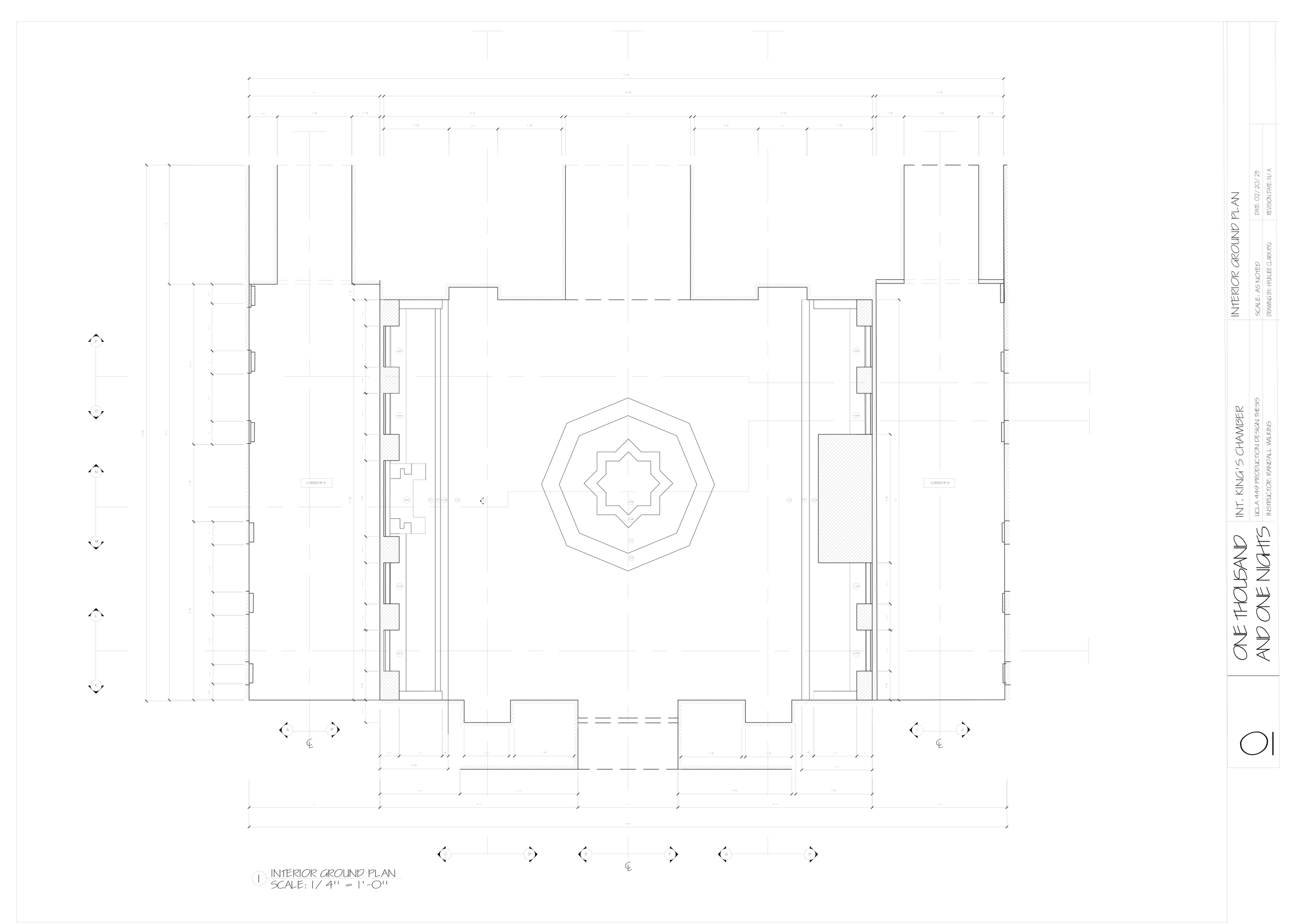
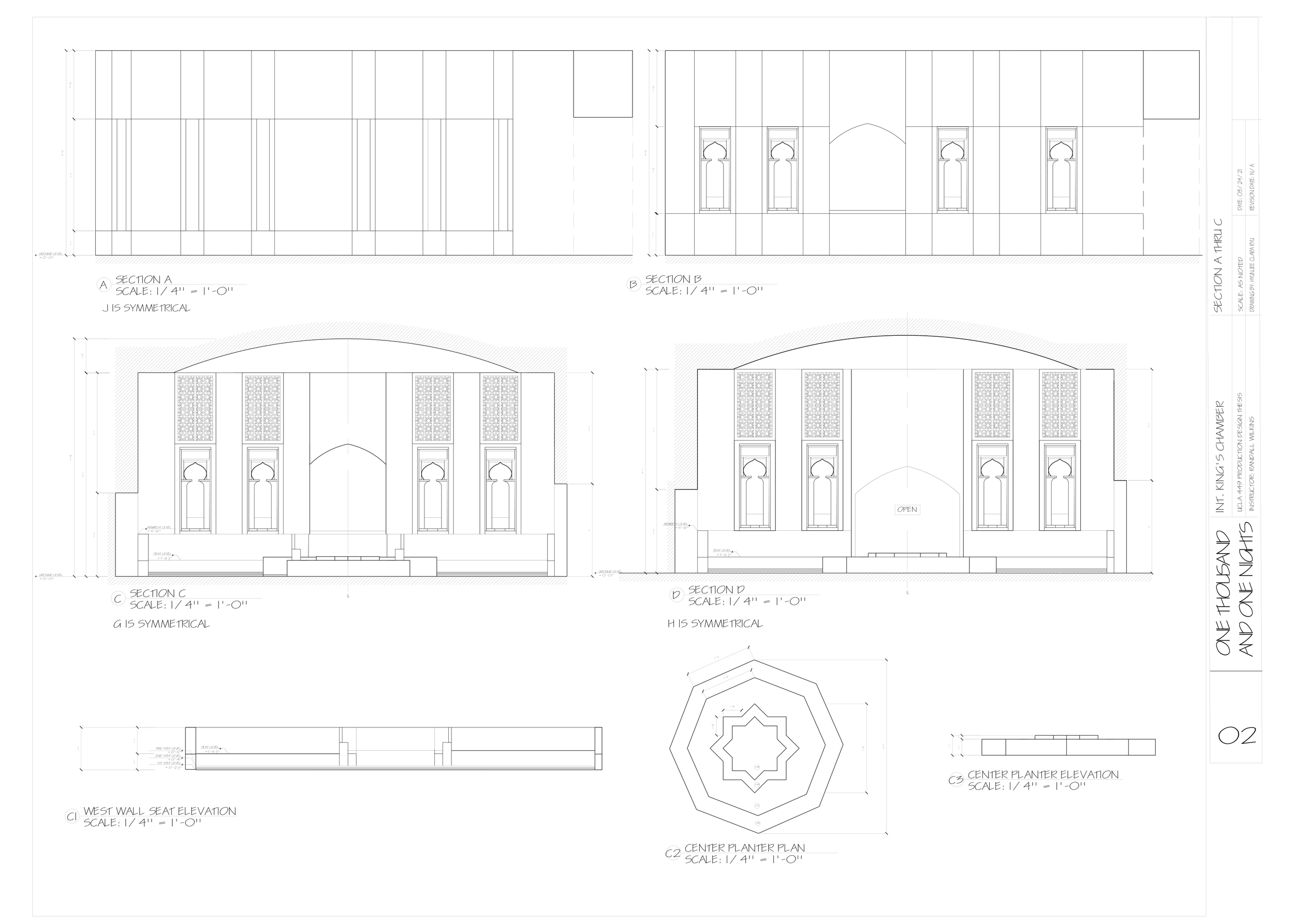
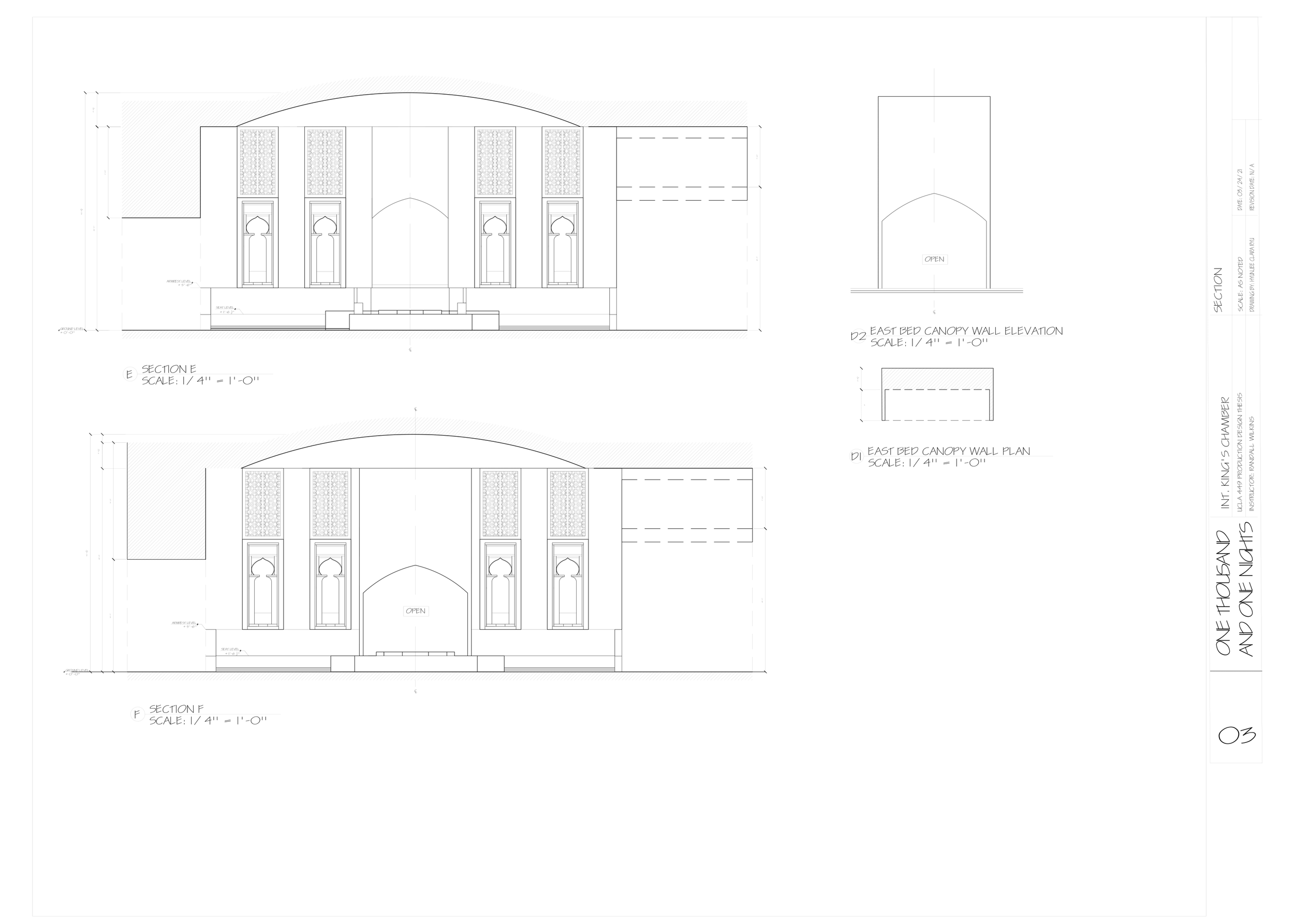
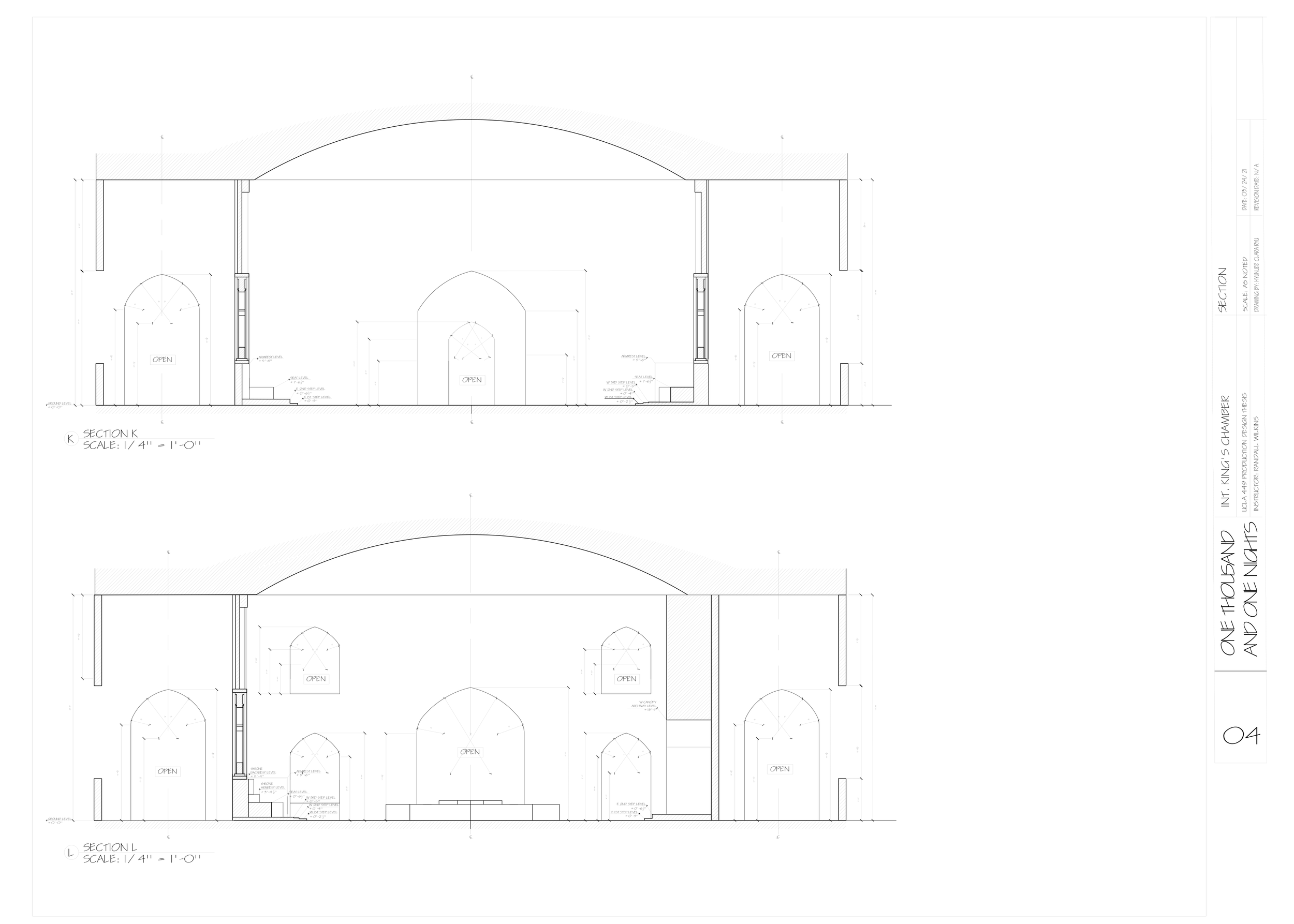
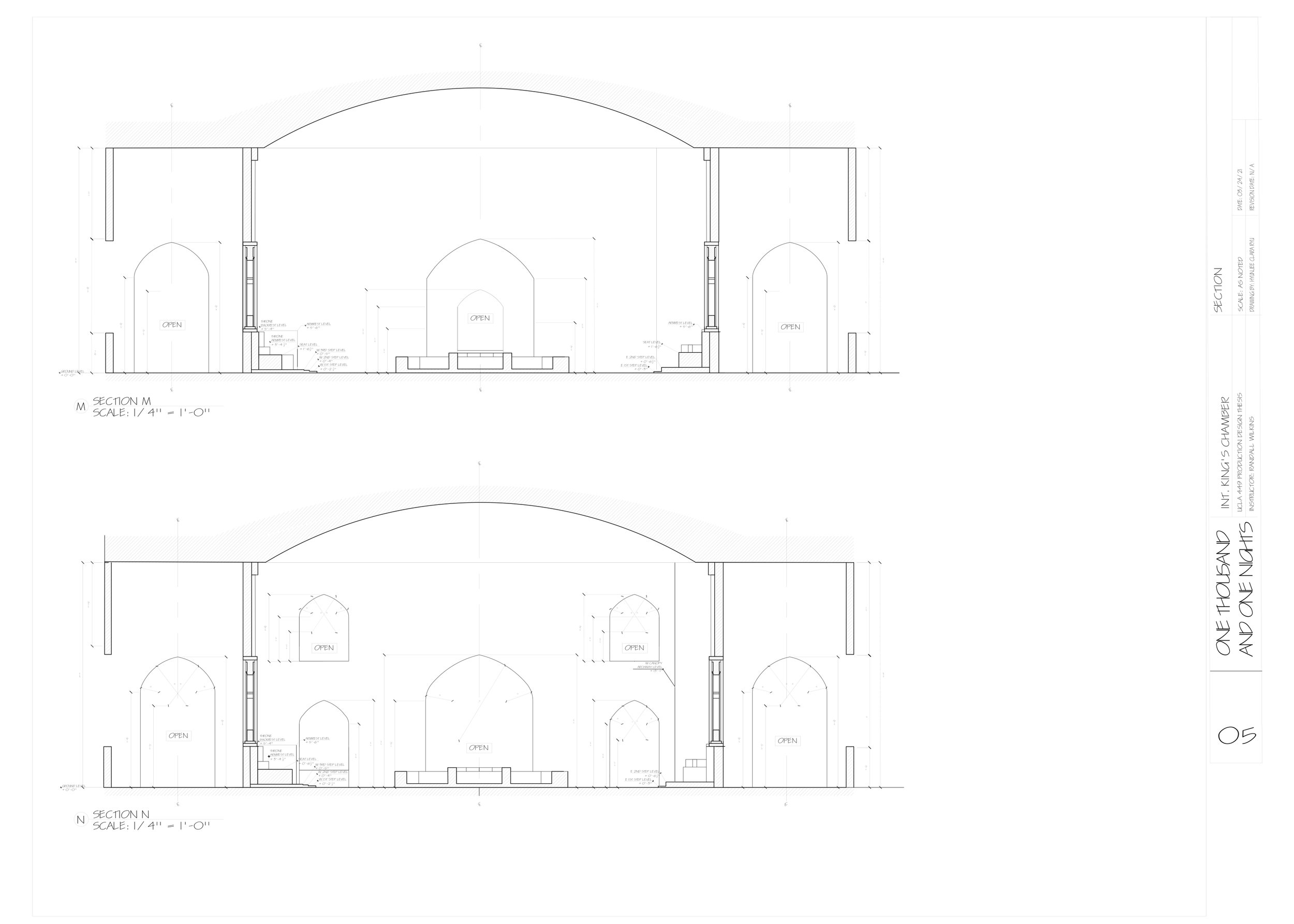
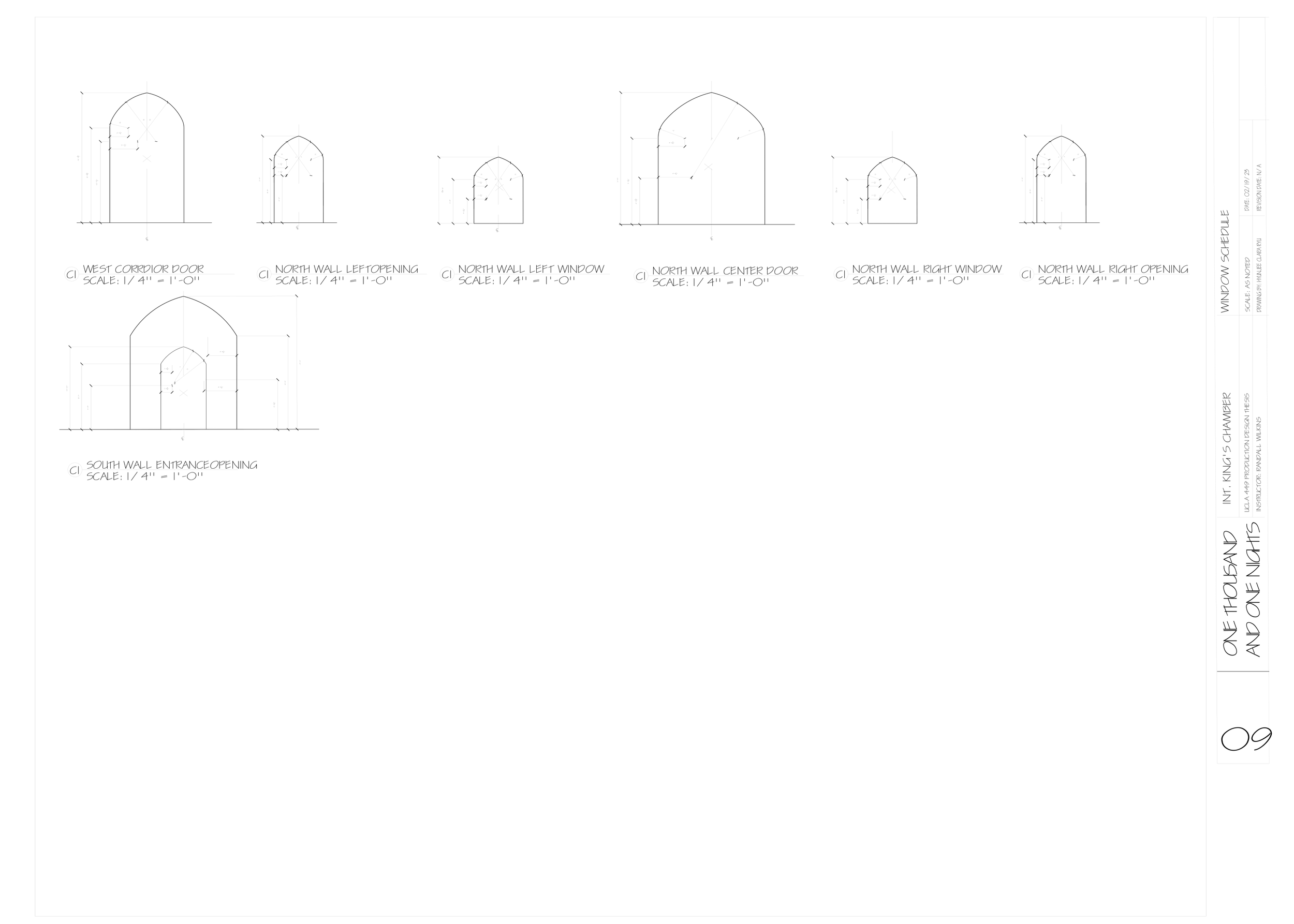
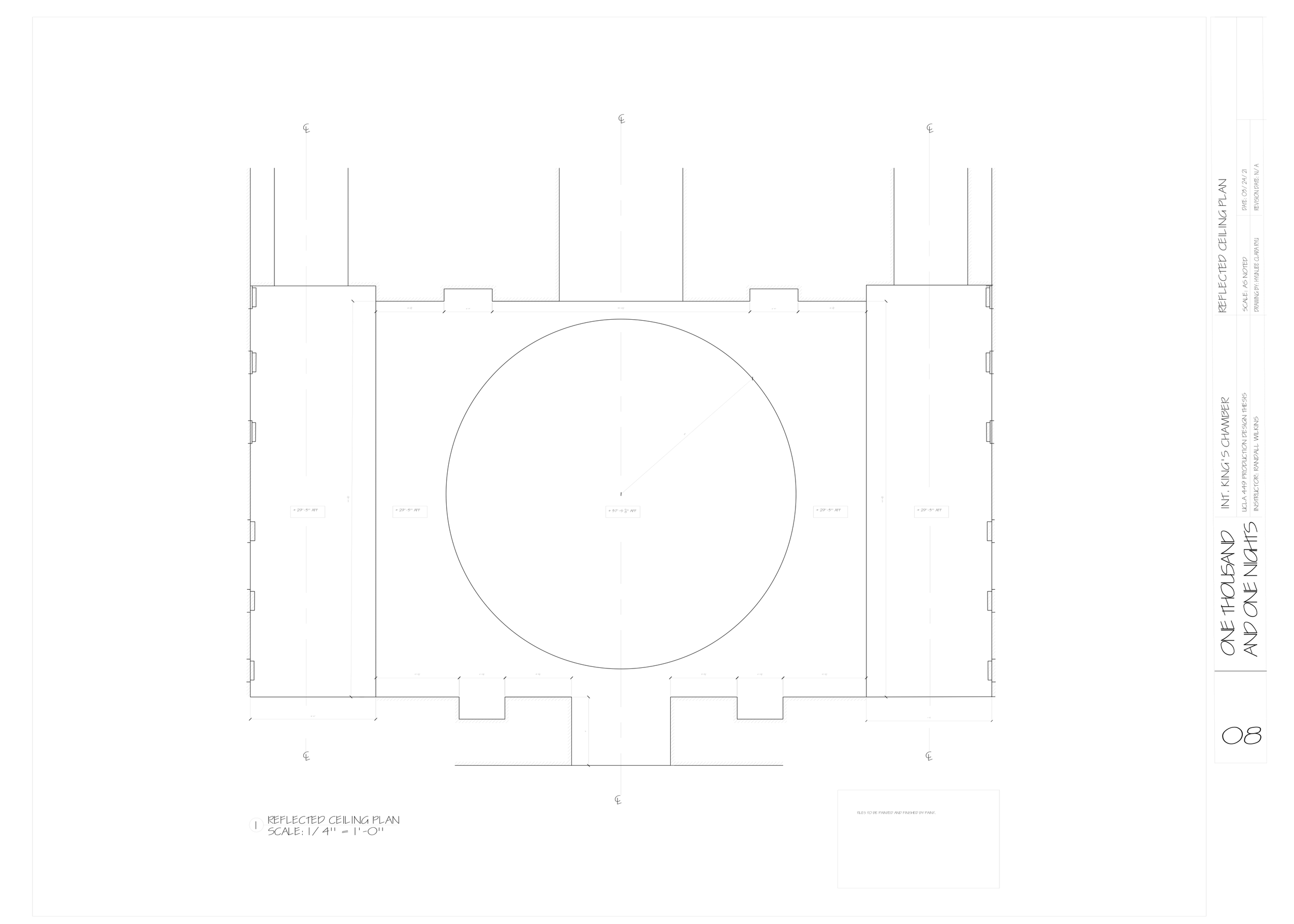
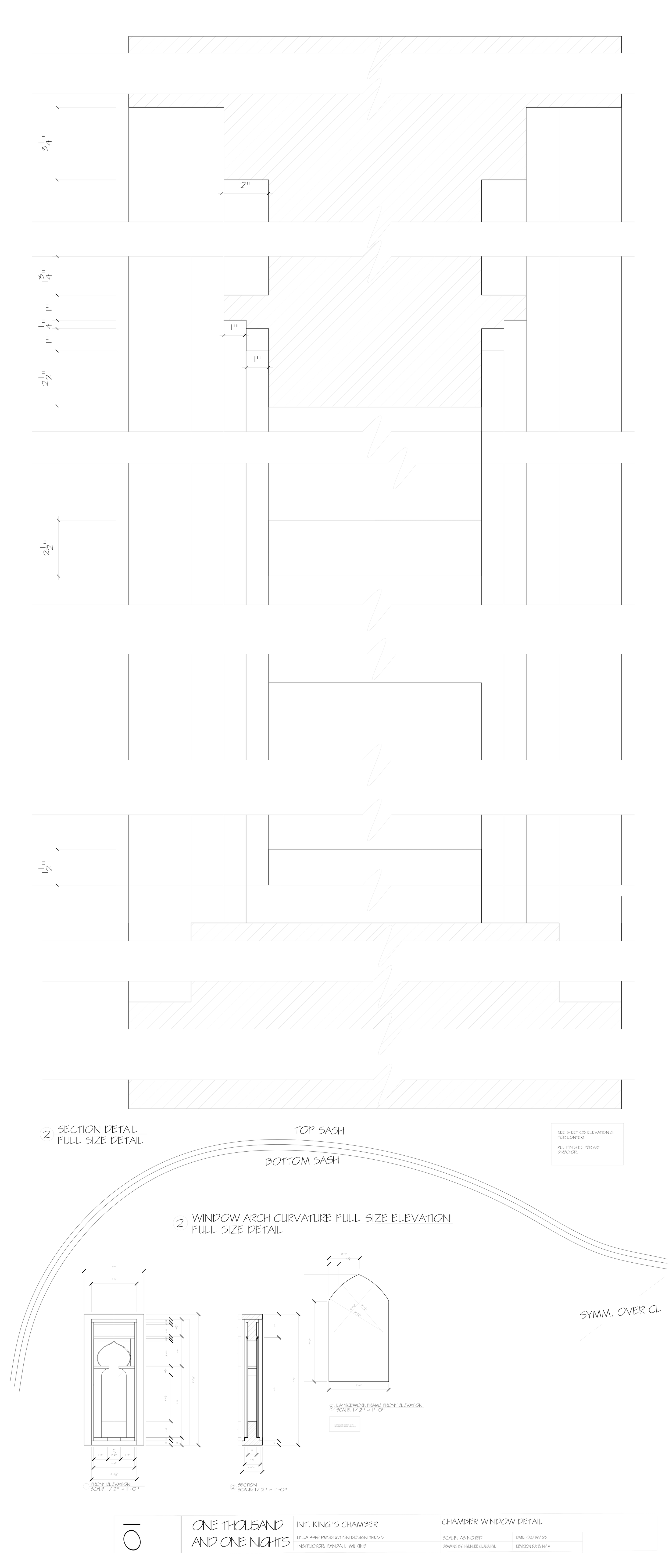
and after meticulously referencing the drafting and the model,

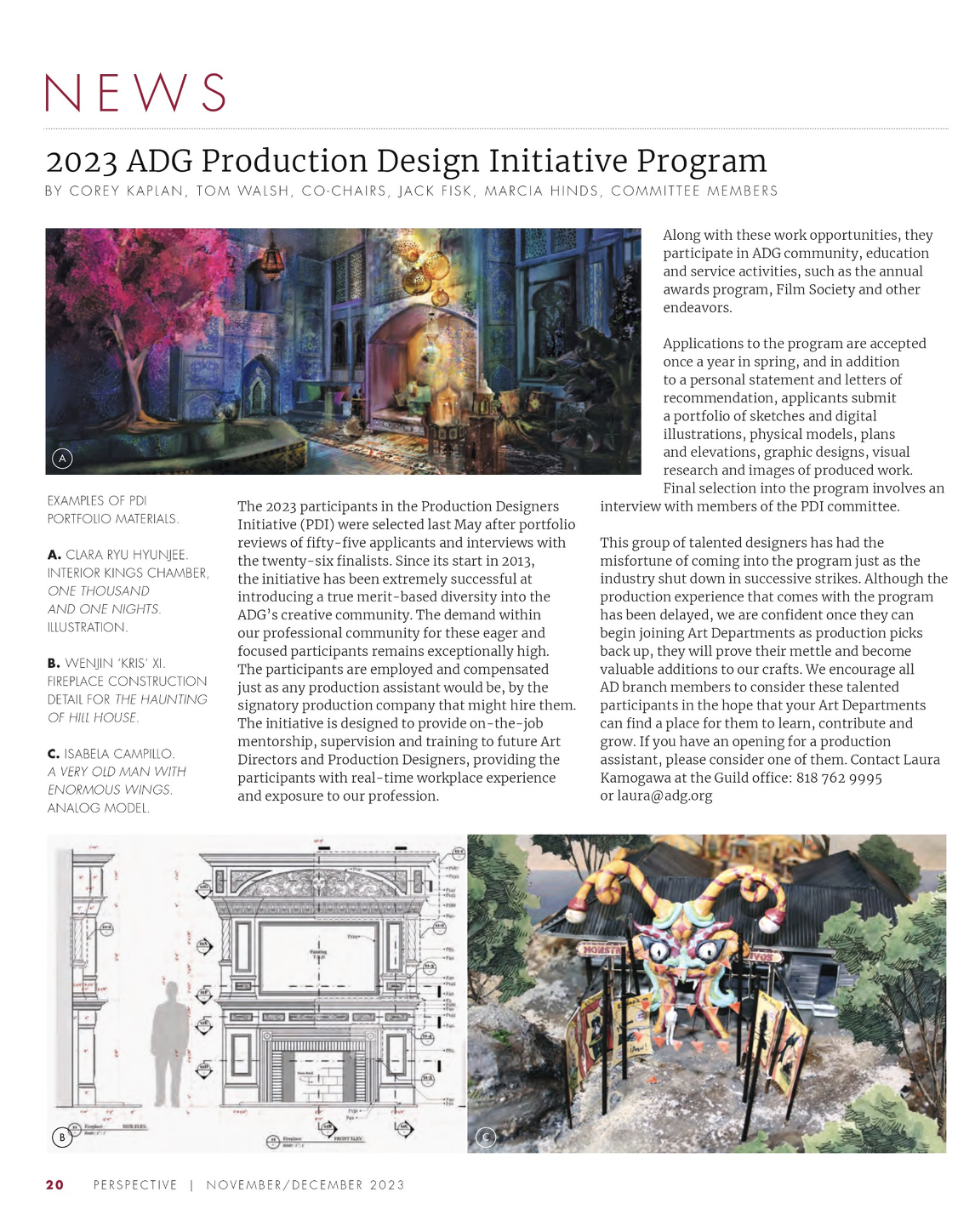
the final painting was born!
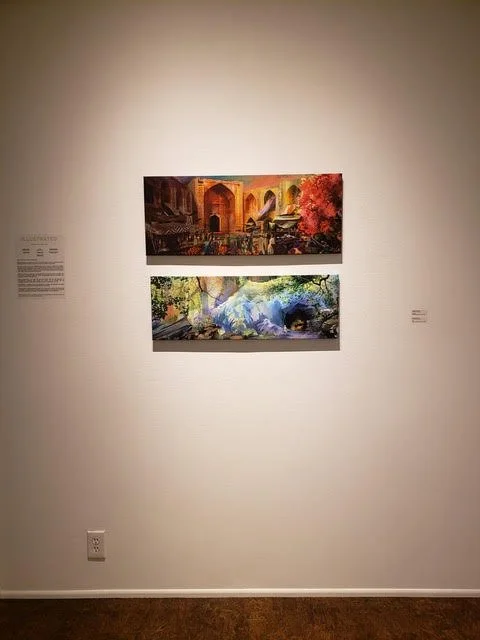
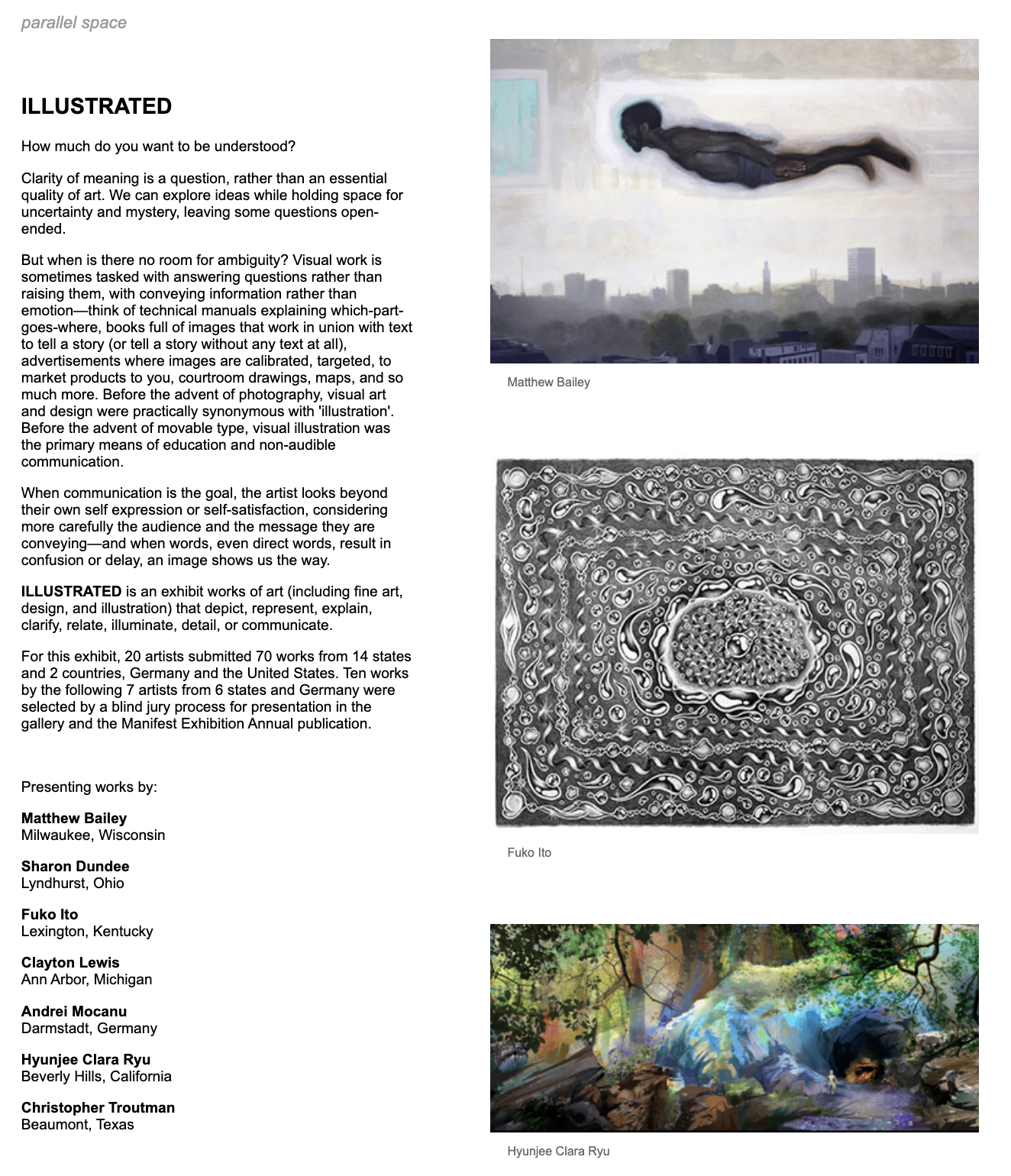
some of my thesis work was recognised in the Art Directors Guild Perspective Magazine and the Illustrated exhibition at Manifest Gallery.
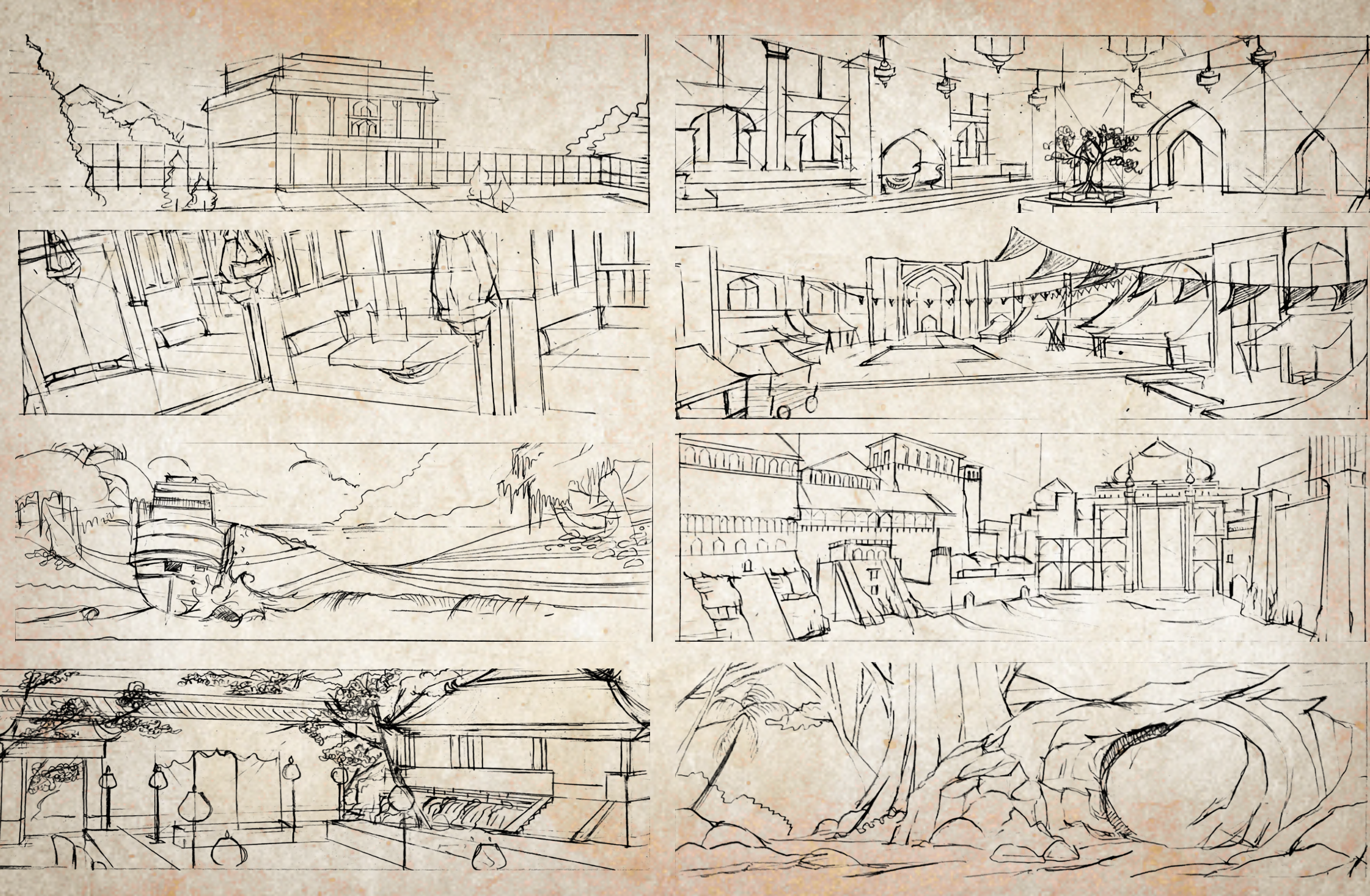
(there were generally a lot of sketches involved)
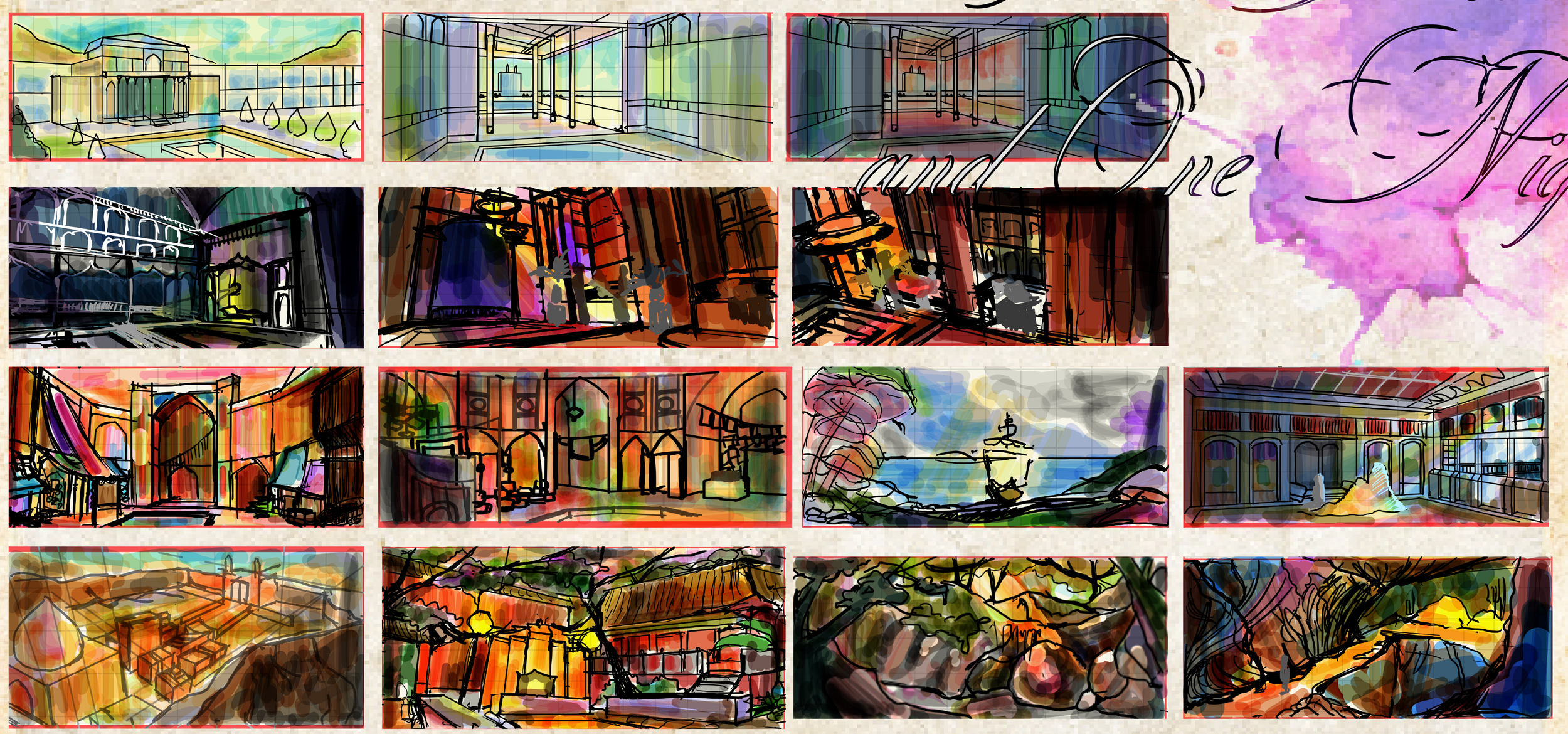
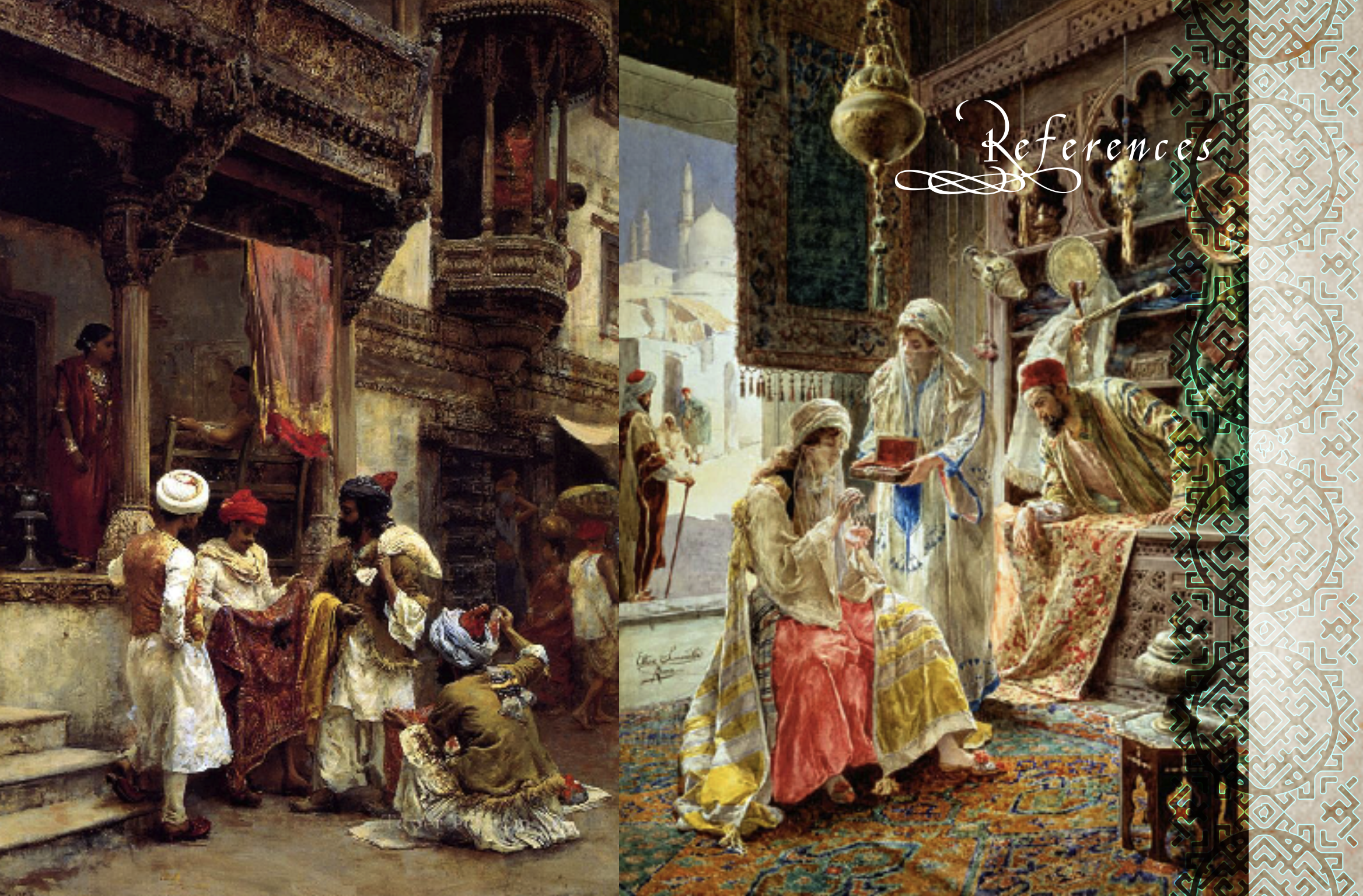
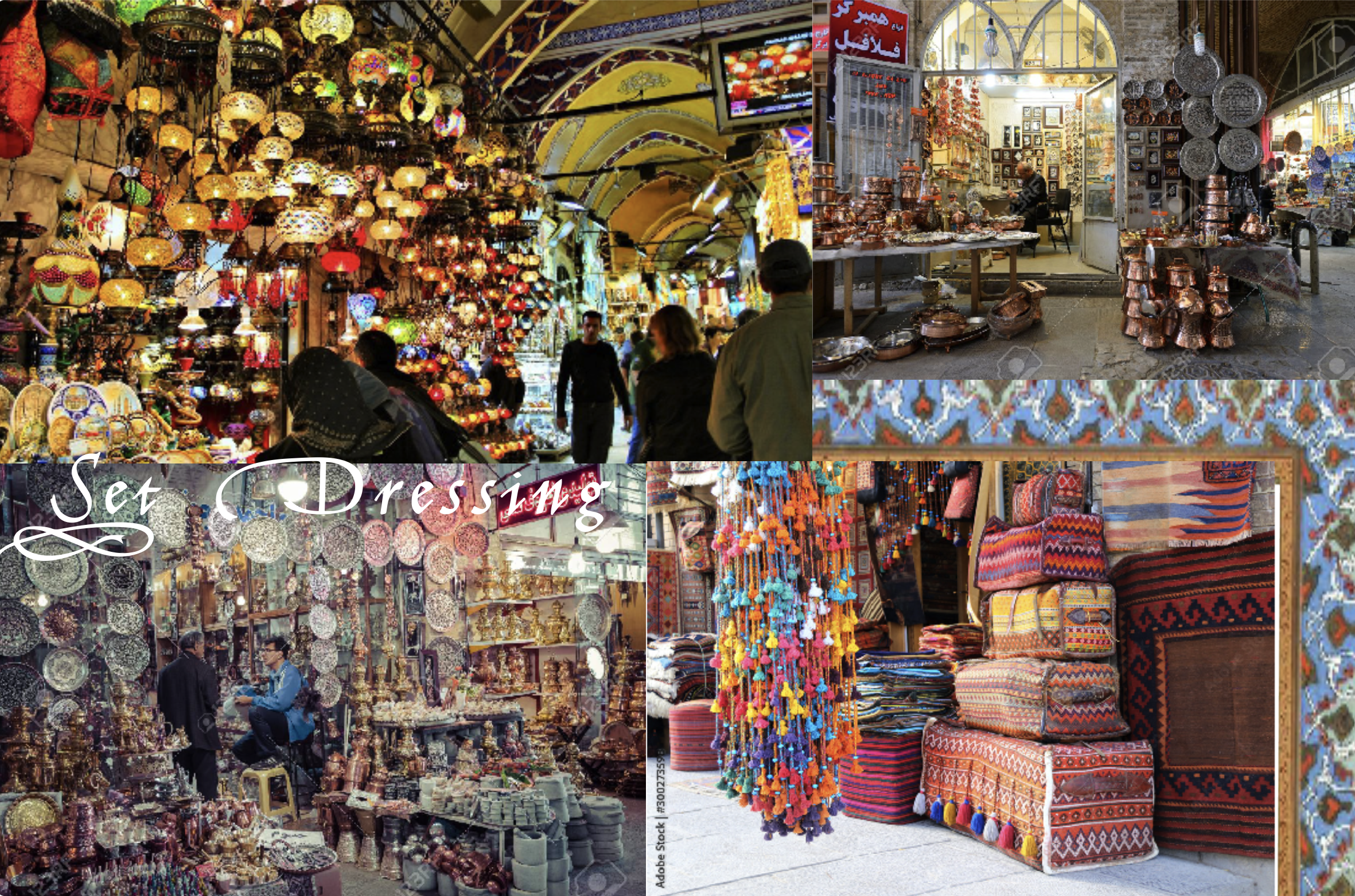
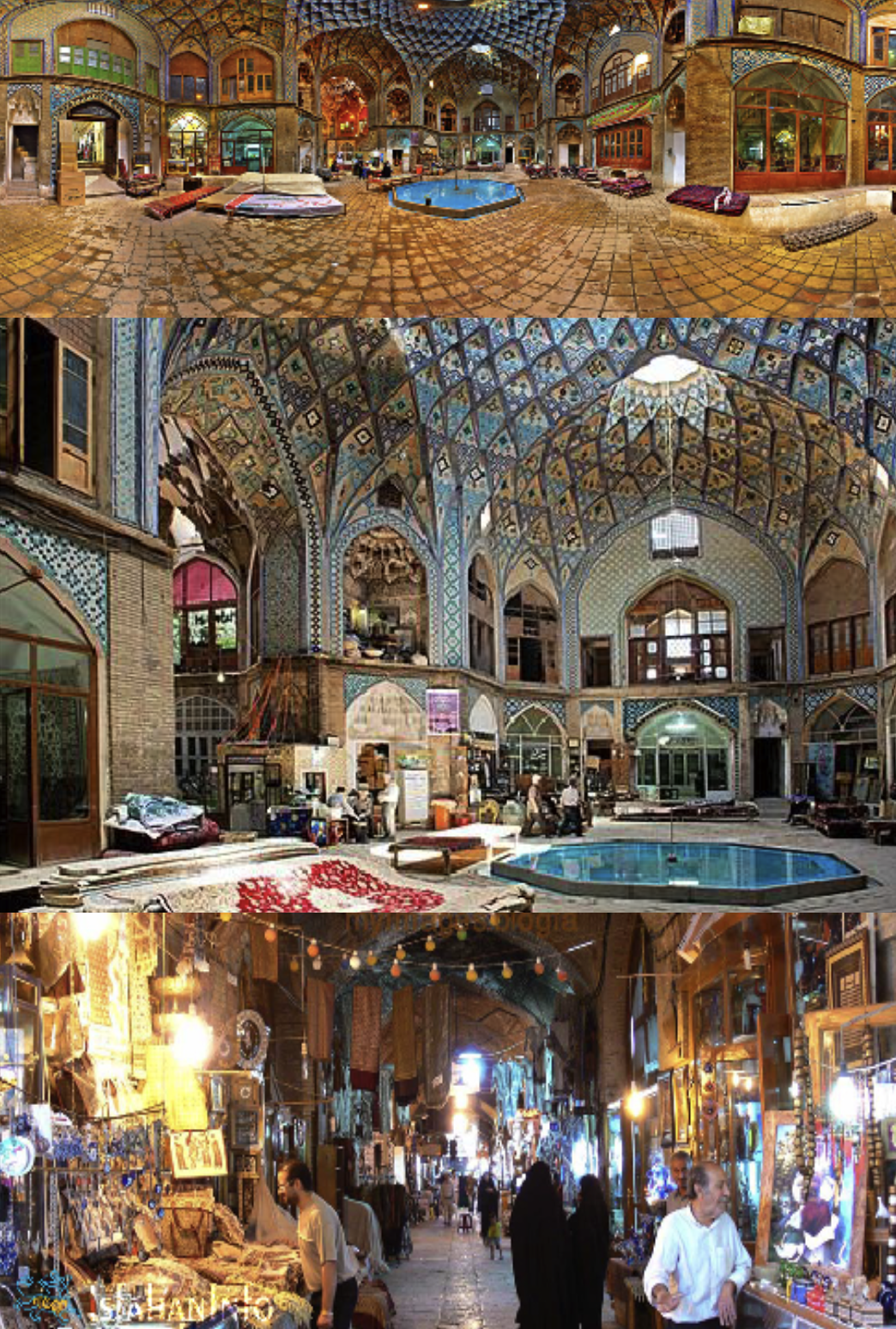
and a lot of historical reesearch (below are selected ones)
“By Allah, O my father, marry me to this king, for either I will be the means of the deliverance of the daughtersof the Muslims from slaughter or I will die and perish as others have perished.”
– Scheherazde